
DoorDash wants you to order dinner by text. The AI beta starts in the US
3 October 2026


Project Suncatcher will test computing hardware in space before anyone can claim an orbital data-centre breakthrough.
By Steve Carsley 3 October 2026
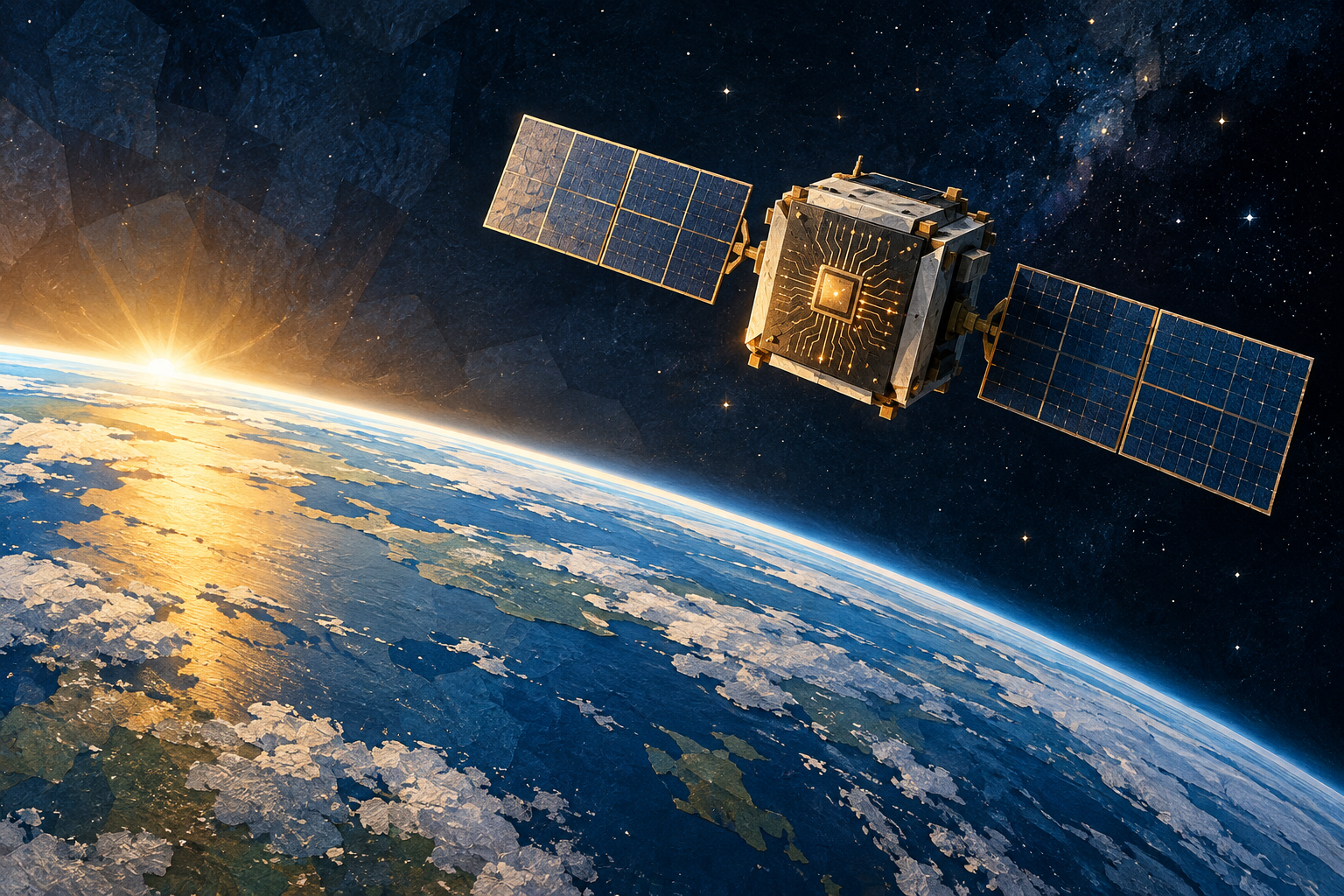
When people say their files are in the cloud, they usually mean computers somewhere on Earth. Google is testing a much more literal change of altitude: sending AI computing hardware into orbit.
The company says its first Project Suncatcher prototype has launched aboard SpaceX’s Transporter-18 mission. Google built the spacecraft with satellite company Planet and confirmed that its team had made contact with it.
In Google’s launch update, project leader Travis Beals said the satellite was operating as expected. The next step is collecting data about how its Tensor Processing Units, or TPUs, cope with spaceflight, radiation and extreme temperatures.
TPUs are Google’s specialised processors for machine-learning work. This mission is an experiment in whether that kind of hardware can function reliably away from Earth.
ANI’s launch report says the rocket carried 130 payloads from Vandenberg in California. Suncatcher was one part of that shared ride, rather than a rocket carrying an entire finished data centre.
The distinction matters. Launching a test satellite demonstrates that the experiment can begin. It does not prove that a huge network of computers in space will be practical, affordable or ready for everyday customers.
In its project explainer, Google describes a long-term research effort to explore whether space could support large-scale AI infrastructure. Access to sunlight is a major attraction for future solar-powered systems.
But sunshine alone does not build a useful computing service. Hardware still has to work consistently, communicate and fit within the limits of its spacecraft. The point of an early test is to find problems before attempting something much bigger.
NPR’s reporting describes a refrigerator-sized prototype carrying four TPUs. Heat-management limits mean the chips are intended to run for short periods rather than continuously.
NPR also highlights expensive launches, difficult repairs and the challenge of connecting many satellites. Beals told the broadcaster that he did not expect this approach to become cheaper within the next five years.
For now, the valuable result is evidence: how the equipment behaves and which designs need changing. Google says it will use the orbital data to improve future versions.
So yes, AI hardware has gone on a space trip. The interesting part is what it learns from being there. A successful experiment can move an ambitious idea forward without turning that idea into a finished product overnight.
Similar stories
3 October 2026

30 September 2026
29 September 2026