
Xiaomi's 18 Pro phones launch in China with a global release on the way
24 September 2026


Ray-Ban Meta Audio starts at $349, with a lighter frame and a claimed 12-hour battery life.
By Steve Carsley 25 September 2026
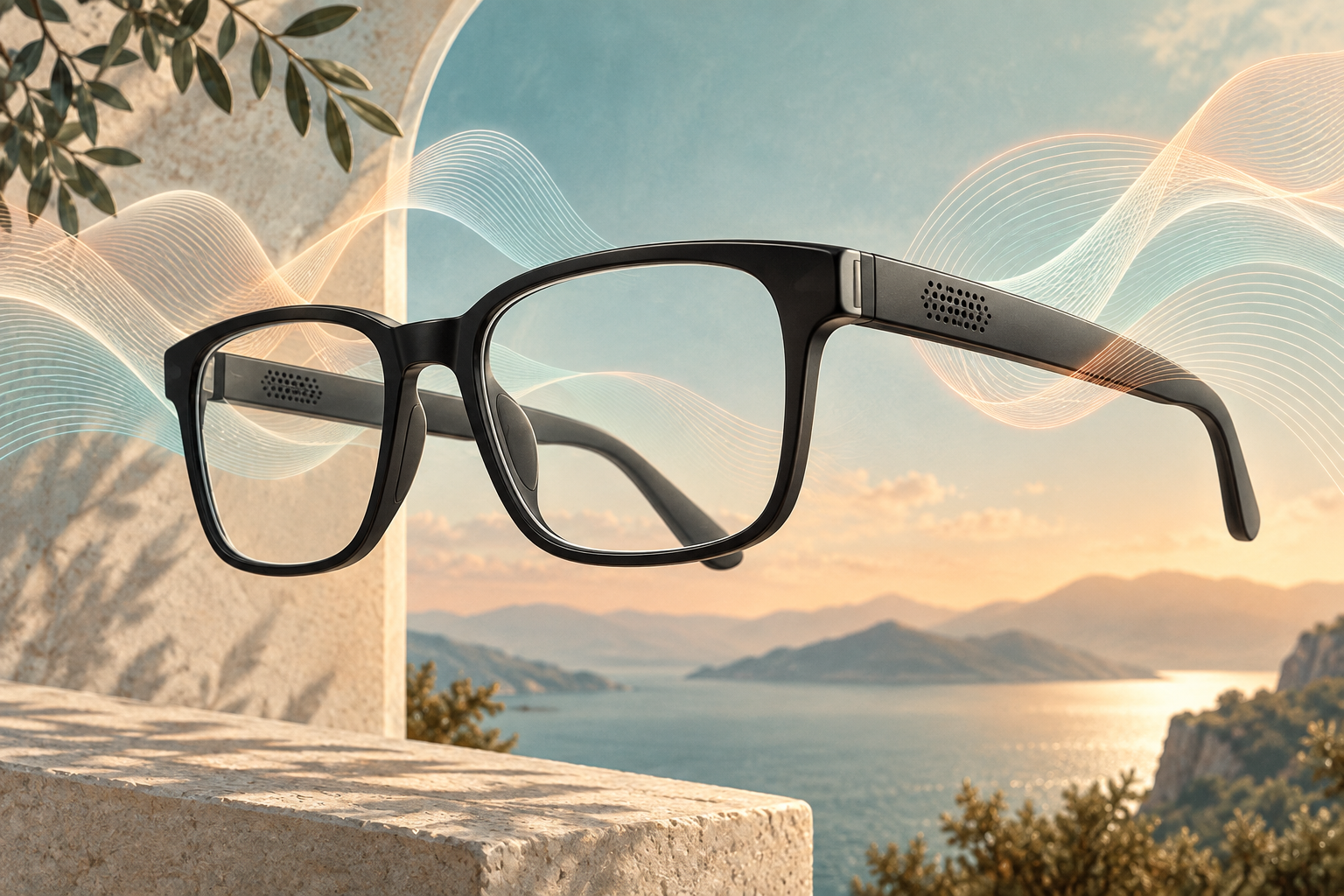
You may want music in your ears without putting earbuds in them. You may also want smart glasses that cannot quietly film the person across the table. Meta's newest frames bring those two ideas together.
The company introduced Ray-Ban Meta Audio at Connect, expanding its partnership with eyewear maker EssilorLuxottica. The headline feature is an absence: these glasses have no camera. They focus on sound, calls and access to an AI assistant.
According to Meta's announcement, pre-orders start at $349 in the US, with shipping scheduled for October 13. The frames weigh 43 grams and come in Clubmaster and Burbank styles, with prescription-lens options.
Meta says the glasses can play music and podcasts, handle phone calls and provide hands-free AI assistance. It claims up to 12 hours of use per charge, plus up to 48 additional hours from the charging case. Those are company figures, rather than a result from a full independent battery test.
The design leaves your ears open instead of sealing them with earbuds. For someone who already wears glasses, combining two everyday objects could be appealing. Whether it feels useful all day depends on comfort, sound quality and how often it needs charging.
Stuff's Tom Morgan-Freelander said the frames felt much like his regular spectacles during a short demonstration, without noticeable extra weight on his ears or nose. That is an encouraging first impression, although a brief demo cannot stand in for a full day of wearing them.
The camera-free design arrives during an uncomfortable debate around recording people through smart glasses. TechRadar's Hamish Hector noted that Meta did not explicitly connect the new Audio model to that backlash during his briefing. The company instead stressed benefits such as battery life.
Removing the camera changes what the device can capture, but microphones remain. Audio recording and information shared with an assistant still deserve attention. Camera-free should not be confused with a device that collects no information.
There is also a capability trade-off. TechRadar points out that the assistant cannot use a camera view to understand what the wearer is looking at. Anyone expecting help based on a live visual scene would need a different kind of device.
The appeal here is more ordinary: listen, call and ask a question while keeping the phone in a pocket. That could be enough. The next test is whether the glasses make those everyday tasks comfortable enough to justify their price, after the excitement of the launch has worn off.
Similar stories
24 September 2026

23 September 2026

22 September 2026