
For Rohingya families, the food budget is squeezing school too
29 September 2026


September 29's global campaign puts farms, transport, markets and household habits in the same conversation.
By Steve Carsley 30 September 2026
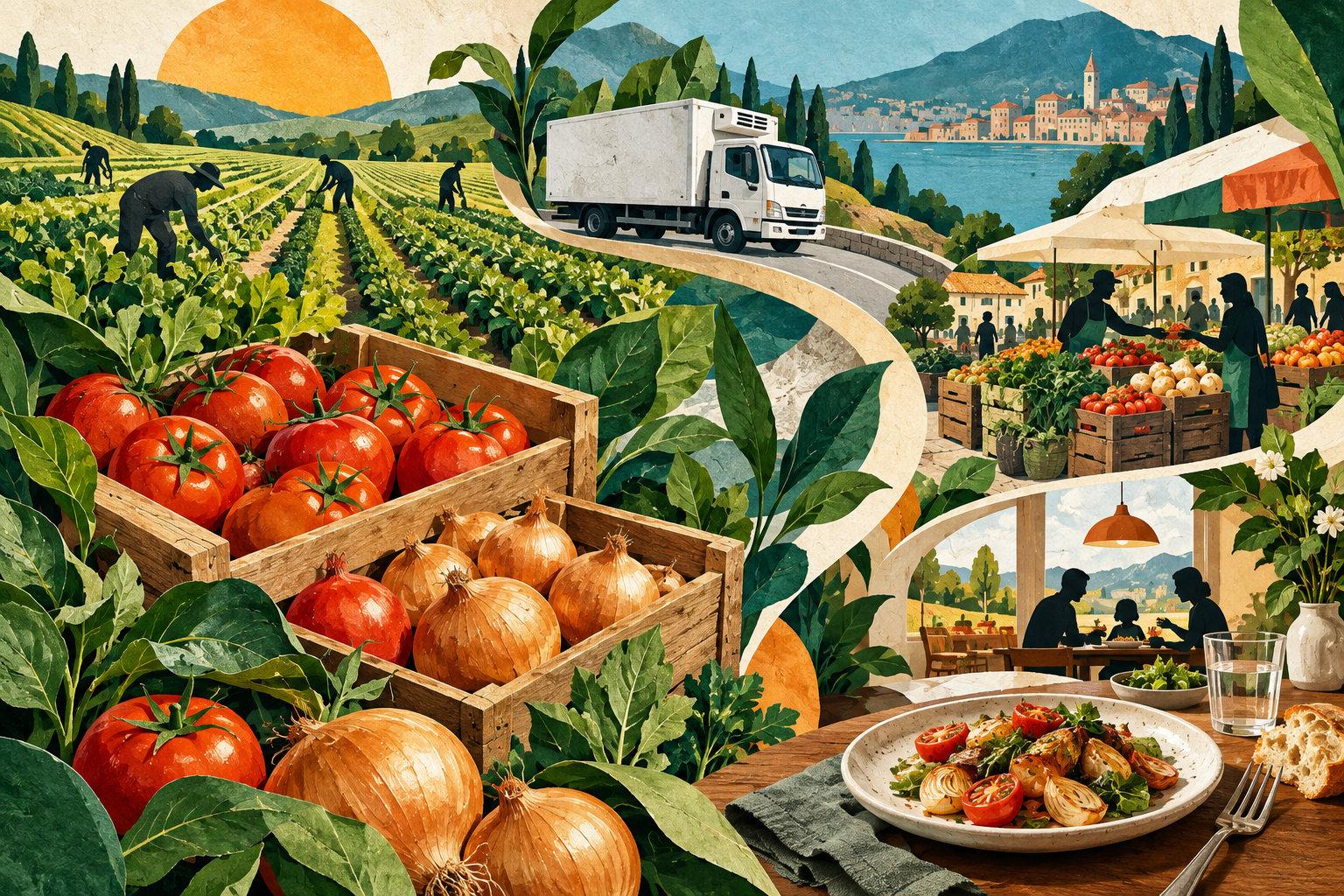
A forgotten tomato in the fridge is easy to recognise as waste. Food that spoils in storage or gets damaged on the way to market is less visible to shoppers. Both are part of the same enormous challenge.
On September 29, the International Day of Awareness of Food Loss and Waste brought that challenge back into focus. The message from researchers and international organisations was that keeping food out of the bin requires action at every stage of its journey.
CGIAR's September 29 analysis explains why the issue begins well before the dinner table. Food passes through farmers, traders, transporters, processors and markets. Damage or spoilage anywhere along that route can reduce what eventually reaches consumers.
The research partnership cited estimates that around 13 percent of food is lost between harvest and retail, while about 19 percent of food available to consumers is wasted in shops, food services and households. These figures describe different stages and should not simply be added together.
When food is lost, the water, land, energy and labour used to produce it are also poorly used. Farmers can lose income, and consumers may face fewer affordable options. A spoiled crate carries more than the cost of the vegetables inside it.
UN News's coverage of the day highlighted improved handling, storage and transport. Refrigeration along the supply chain can help perishable produce survive the journey from farm to market.
The report also described efforts to redirect safe surplus food to people who need it. Prevention and redistribution serve different purposes: one stops avoidable excess or spoilage, while the other makes better use of food that is already available.
UNEP emphasised that reducing food waste can support food security and cut environmental damage, but will not end hunger on its own. That distinction matters. Having enough food somewhere does not automatically mean everyone can afford it or get access to it.
WRI India's Food Forward 2026 programme scheduled its opening session for September 29. The planned launch focused on research into losses of soybean, onion and custard apple in Madhya Pradesh and Maharashtra.
The programme aims to connect evidence with practical solutions. Pinpointing where a crop gets lost is more useful than treating every problem as a request for consumers to finish their plates. A transport problem needs a different response from over-ordering in a kitchen.
For households, the broader lesson is to pay attention to what is bought and what actually gets used. For businesses and governments, it is to fix the systems behind that food. Less waste depends on both everyday choices and infrastructure that works.
Similar stories
29 September 2026

28 September 2026

27 September 2026