
Cuba starts restoring power after another nationwide blackout
20 September 2026


Remembrance now includes millions of young people with no personal memory of the attacks.
By Steve Carsley 12 September 2026
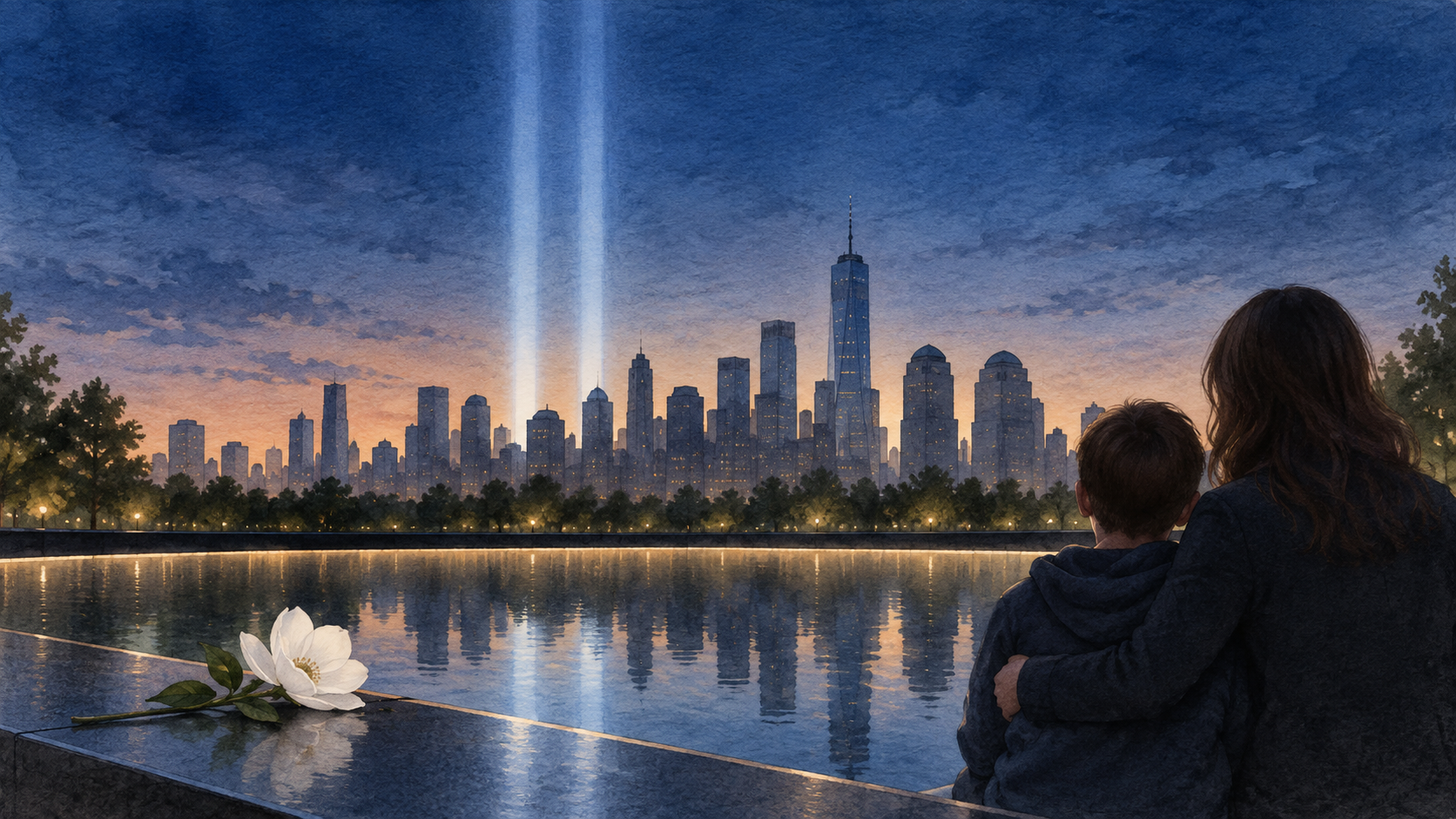
For some people, the memories remain painfully clear. For others, September 11 is a date they first encountered in a classroom, a documentary or a conversation with their parents. A quarter of a century after the attacks, both generations are part of the act of remembering.
On September 11, 2026, Americans marked the 25th anniversary with ceremonies, readings of victims’ names, moments of silence and volunteer work. AP’s reporting on the commemorations described a country returning to familiar rituals while facing the passage of time.
Nearly 3,000 people were killed in the 2001 attacks. Al-Qaida hijackers took control of four passenger planes. Two struck the World Trade Center in New York, one hit the Pentagon and another crashed in Pennsylvania. Behind those facts were people with families, friends, ordinary routines and plans for days they never got to see.
The 9/11 Memorial & Museum has made education a focus of the anniversary. It estimates that 100 million Americans were born after the attacks or were too young to remember them.
Its anniversary resources include a free, on-demand film lasting about 35 minutes, with accounts from a survivor, a police responder and people who lost family members. These personal experiences offer a way into history that a date and a number cannot provide on their own.
For a young viewer, it can help to begin with simple questions. Who was this person? What were they doing that morning? Who helped them? What happened to their family afterwards? Listening to the answers gives individual lives space within an event often described on an enormous scale.
The ceremonies extended beyond the best-known memorial sites. At Fort Drum, a local commemoration brought together the military community and first responders. A ceremonial bell marked 8:46am, the time the first plane hit the World Trade Center.
Such rituals can look repetitive to someone who did not experience the day. Their repetition is also their purpose. A name is spoken again. A community stops again. People make room for grief that does not disappear because an anniversary becomes a larger number.
Learning this history does not require pretending to have memories that belong to someone else. It requires attention, reliable accounts and respect for the people describing what they lived through. Twenty-five years later, that is one way a younger generation can take part in remembrance: by listening carefully enough to carry those stories forward.
Similar stories
20 September 2026

19 September 2026

18 September 2026