
World Mental Health Day asks people to help shape the care they receive
11 October 2026


The October 11 observance calls for investment that gives girls more control over their futures.
By Steve Carsley 12 October 2026
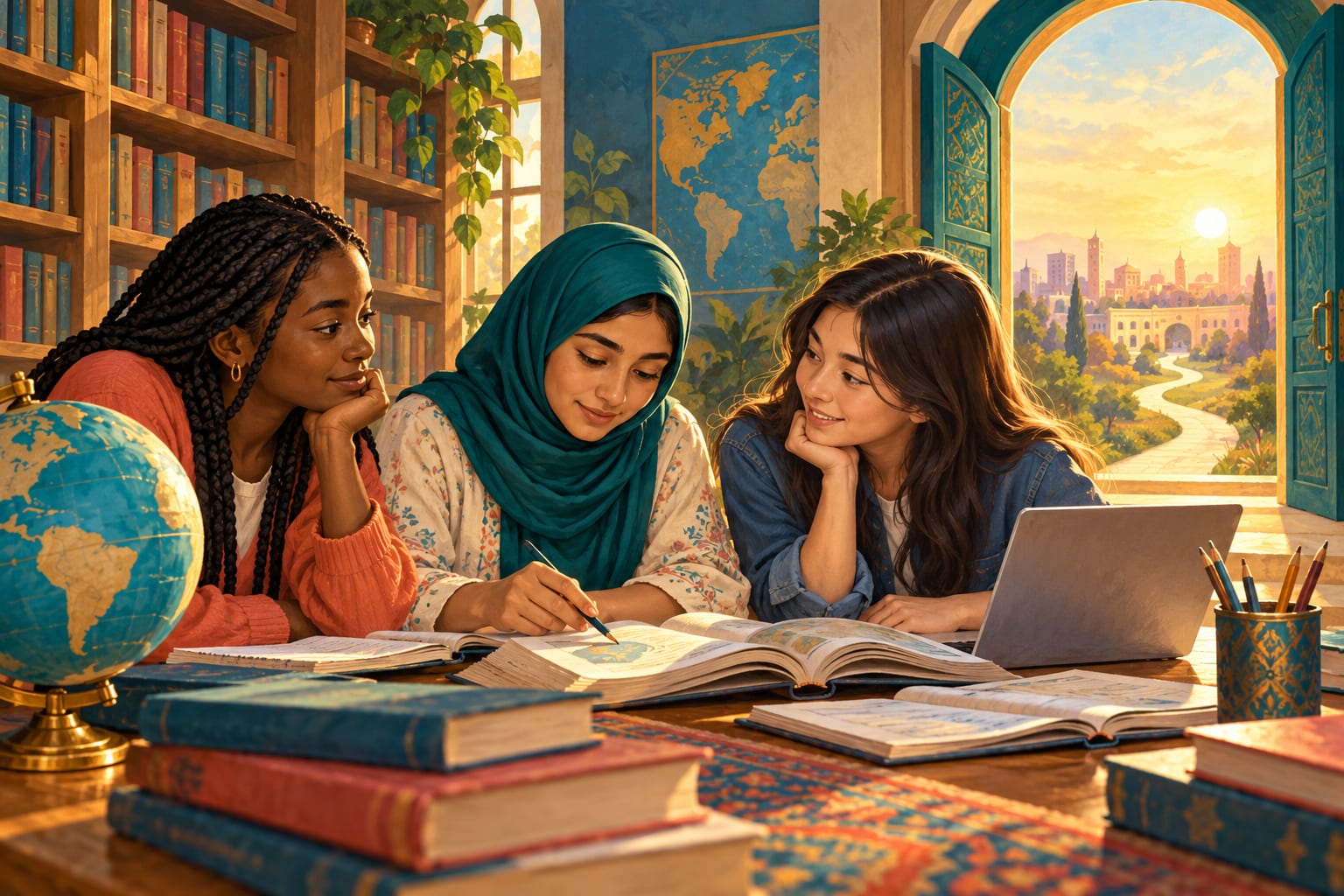
A girl’s future should include choices: what to study, where to work and when, or whether, to marry. On October 11, International Day of the Girl brought attention to the barriers that can take those choices away.
This year’s campaign focused on ending child marriage and investing in girls’ rights. The message from UN agencies was practical: protecting a childhood requires more than a statement on one day of the calendar.
UNICEF’s campaign connects ending child marriage with education, legal protections, social support and services that girls can use. It also emphasizes girls’ participation in decisions affecting their lives.
These are connected pieces. A legal protection matters, but a girl also needs a realistic way to continue her education and get support if that protection is ignored. A place in school matters, but so does the ability to keep attending.
That is why the discussion goes beyond telling families to make different choices. It asks what governments and communities are providing so that girls have meaningful options in the first place.
The UN Population Fund’s message for the day warns that conflict, climate shocks, funding cuts and resistance to gender equality can increase the pressure on girls.
The agency links child marriage and early pregnancy with interrupted education and reduced opportunities. It calls for sustained investment, including support that gives adolescent girls a voice in the response.
For a young person, leaving school is more than missing lessons. It can mean losing the daily space in which friendships, confidence and plans for the future develop. That is why access to education sits so close to the centre of this campaign.
In its October 11 statement, UNICEF Afghanistan called for action against child marriage and renewed its call for girls to resume education beyond grade six.
That was an appeal for change, not an announcement that the restrictions had been removed. Keeping that distinction clear matters, particularly when a hopeful headline travels faster than the details.
Amu TV’s reporting on the statement also highlighted the connection between interrupted education, isolation and the risks facing girls. The concern is about their safety now as well as their opportunities later.
The test of a campaign like this comes after the hashtags fade. Are services available? Can girls stay in education? Are they included when programmes are designed and money is allocated?
Those questions make the issue easier to understand. Ending child marriage is part of protecting a girl’s ability to grow up with choices. The October 11 message was that those choices need support, funding and action that continue throughout the year.
Similar stories