
Chemistry Nobel honours Kagan and Soai for making molecules choose a side
8 October 2026


A 73% average fall in monitored populations comes with a vital warning about what the number means, and examples of species bouncing back.
By Steve Carsley 9 October 2026
A depressing number can make a problem feel impossible. But the latest global wildlife report contains both a serious warning and evidence that sustained protection can change the outcome.
WWF's Living Planet Report 2026, released on October 8, says monitored vertebrate wildlife populations declined by an average of 73% between 1970 and 2022. Vertebrates include mammals, birds, fish, reptiles and amphibians.
The report's findings draw on 35,803 population trends across 5,790 species. Habitat loss, excessive exploitation of wildlife and other pressures remain major threats. Freshwater populations show particularly steep declines.
The figure does not mean that 73% of all animals have disappeared. It does not mean that 73% of species are extinct either. Those claims would describe something different from what the research measures.
As Our World in Data explains, the index combines rates of change across monitored populations. A population is a group of animals of a species in a particular place. Researchers track whether those groups grow, shrink or remain stable, then combine the changes using a weighted calculation.
A global average can therefore hide very different local stories. Around half of the populations studied are stable or increasing, while others are falling. That does not cancel the decline. It helps show where protection is working and where the damage is most severe.
There is another trap: comparing headline percentages from successive editions as if each report measured exactly the same sample. New populations and species enter the dataset, so the reports are not simple score updates.
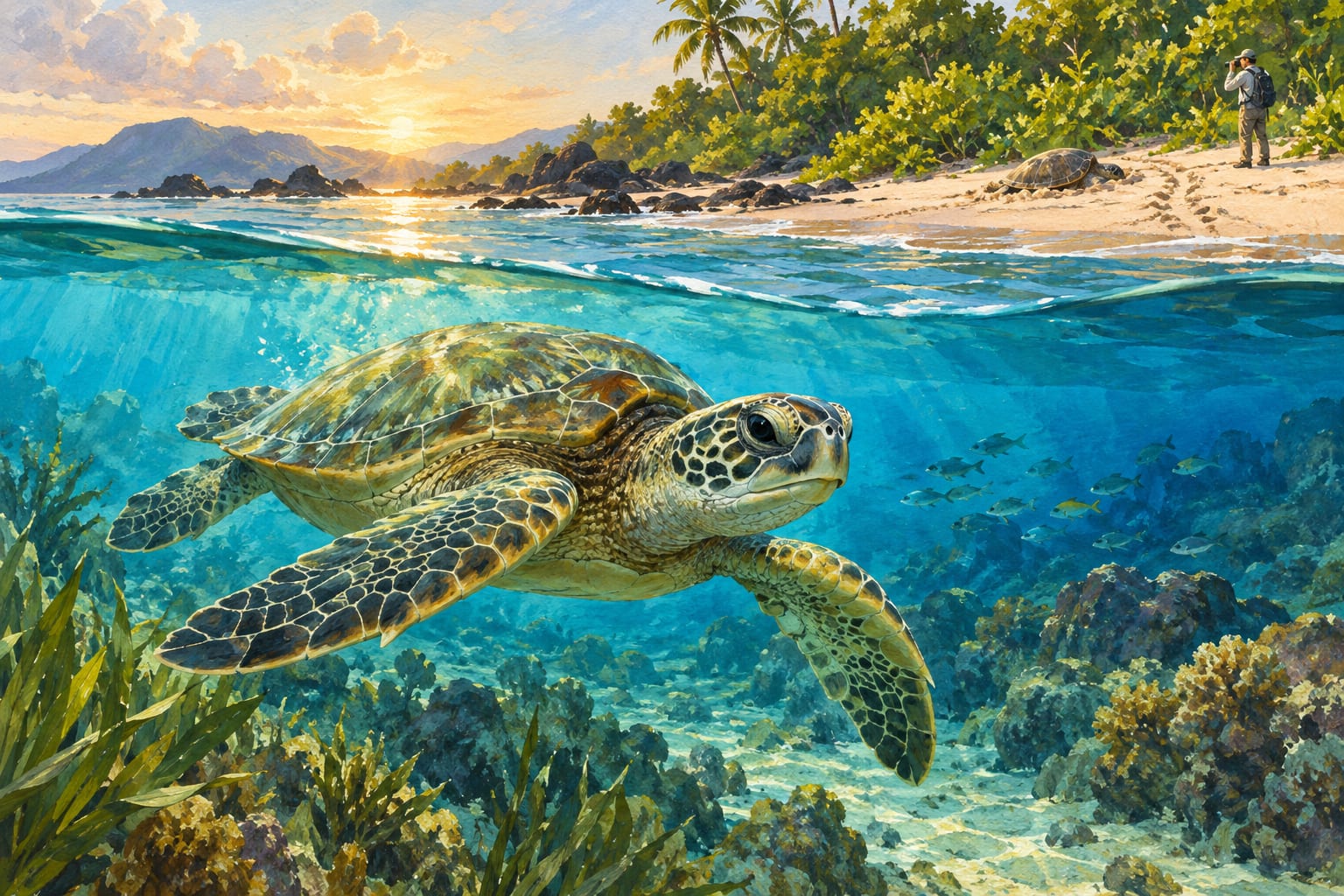
WWF highlights tigers, green sea turtles, tuna and some southern African elephant populations as examples of improvement. These gains followed years of work, not one good season or a viral awareness post.
Its account of recovery efforts describes stronger protection, work with local communities and action against threats such as illegal wildlife trade. Tiger numbers have increased, but tigers remain Endangered. Recovery and safety are not the same thing.
Green turtles offer another example. AFP's reporting describes how decades of nest protection, marine conservation and trade restrictions helped the species improve its global conservation status. Some populations still face serious threats, and protecting them remains necessary.
WWF argues that wider recovery also requires changes to food production, energy and investment, because protecting a species is harder while its habitat continues to disappear.
For younger readers facing endless bad environmental news, the useful message is practical: results depend on what people do over time. The report does not offer a promise that everything will recover. It offers examples showing why long-term conservation is worth doing, alongside the evidence that much more of it is needed.
Similar stories