
Badenoch wants to remove England’s £100,000 childcare cutoff
5 October 2026


In Bremen, President Steinmeier challenged extremism while other leaders put fairness and everyday opportunity at the centre of unity.
By Steve Carsley 5 October 2026
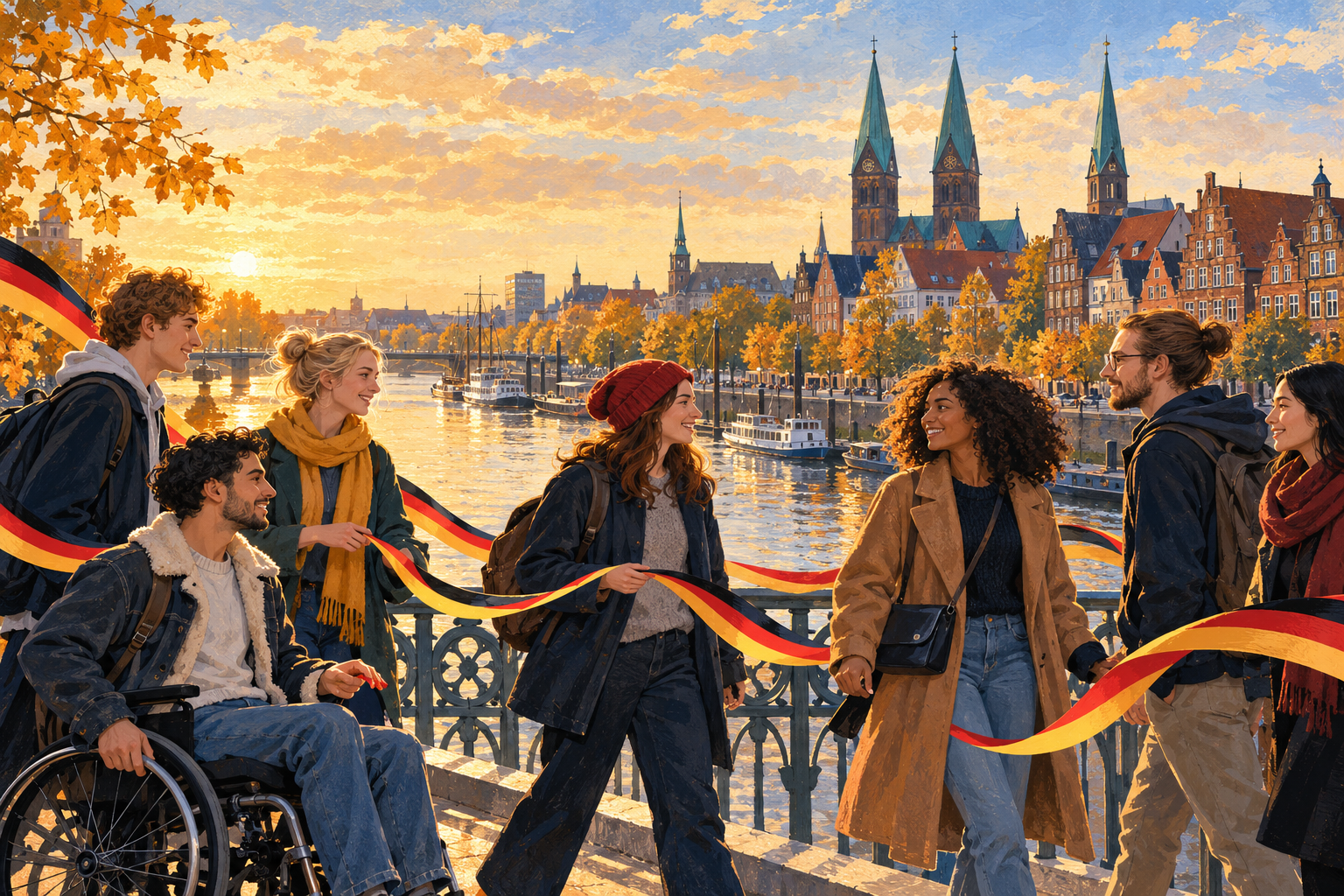
A country can mark its anniversary with music, flags and speeches. The harder question is what keeps people feeling that they belong together when the celebrations end. That question ran through Germany's Unity Day events in Bremen on October 3.
President Frank-Walter Steinmeier used the occasion to warn that political extremism threatens both democracy and national unity. According to Deutsche Welle's report, he also urged the government to offer steady, professional leadership that addresses people's economic and social insecurity.
His message linked two responsibilities: confronting attacks on democratic institutions and dealing with the frustrations that leave people feeling insecure. He argued that building bridges does not mean treating respect for the law and contempt for it as equally acceptable positions.
The day marked 36 years since German reunification. Bremen's official programme placed a service at St. Petri Cathedral before the main ceremony at the Die Glocke concert hall. National leaders included Chancellor Friedrich Merz and parliamentary representatives.
Bremen's mayor, Andreas Bovenschulte, spoke as the host and president of the Bundesrat, the body representing Germany's states. The formal programme also included a reception for citizen delegations from all 16 states.
That arrangement gave the anniversary both a national stage and a place for people from across the country. But the speeches were about more than who stood together for the photographs.
Tagesschau reported that Bovenschulte stressed access to good work, education and reliable public services regardless of where someone lives. He also warned against treating political opponents as enemies or undermining independent courts, free media and science.
Church leaders at the earlier service called for mutual support, especially for people struggling with rapid change. Their point was that society should not leave every person to carry difficult circumstances alone.
For a young person deciding where to study or work, those are practical questions. Belonging is easier to talk about when it comes with a realistic chance to build a life. A speech can name that ambition; delivering it takes decisions beyond the anniversary stage.
Steinmeier also warned against destructive nationalism and supported continued backing for Ukraine alongside diplomatic efforts. These were his political positions, not new policies announced by the government.
The shared theme in Bremen was that unity remains an ongoing responsibility. Remembering a historic achievement is one part of it. Keeping disagreement peaceful, institutions trusted and opportunity open is work that continues on ordinary days, too.
Similar stories