Deadlock passes Team Fortress 2’s Steam peak, with a chess wizard joining the party
11 October 2026


Mike Lacher’s browser game turns a tiny puzzle into a joke about blockbuster gaming.
By Steve Carsley 12 October 2026
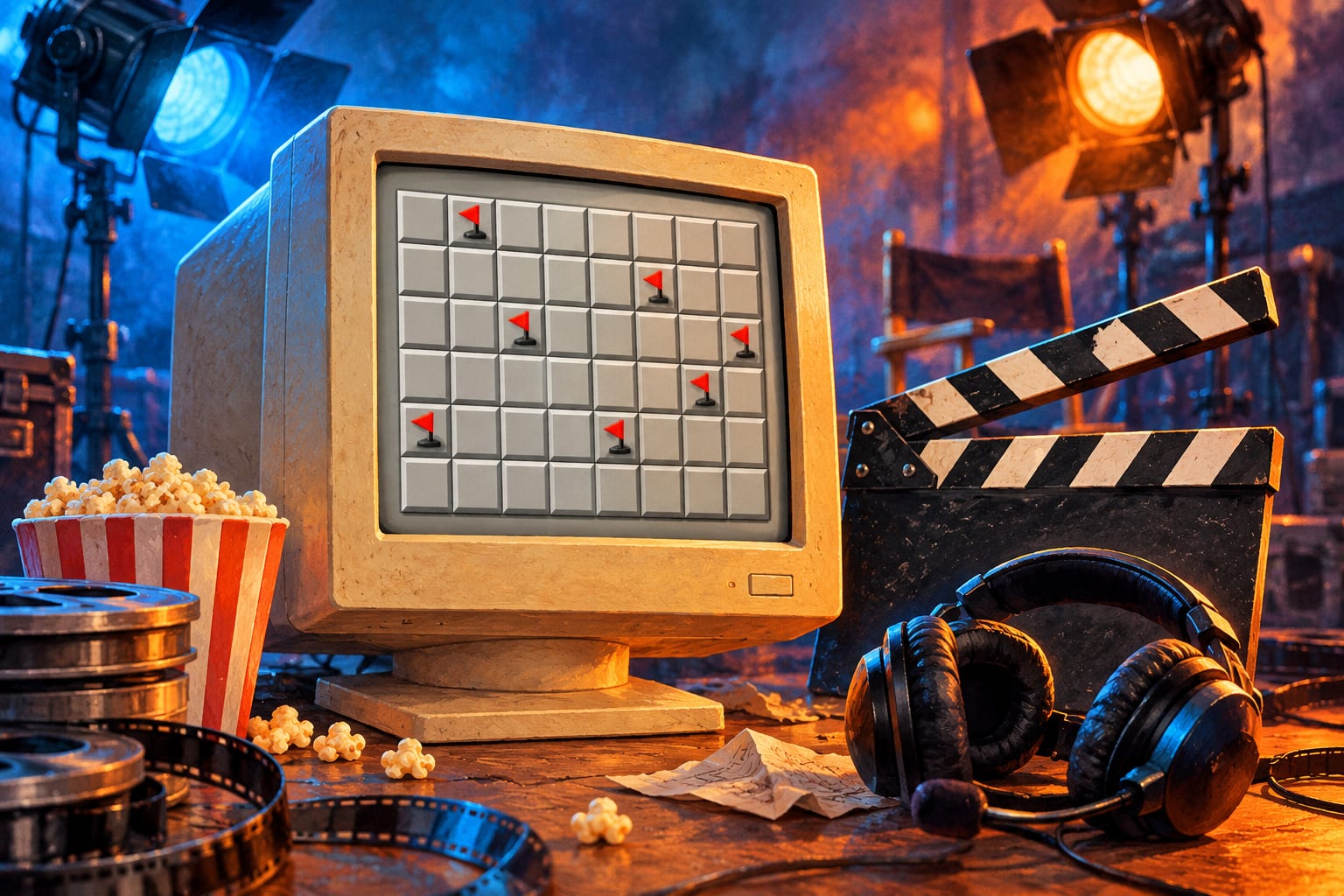
You open a small puzzle game. Surely you can just click a tile and get on with it? Apparently, that would be far too simple. First, the game has things to explain. Lots of things.
That is the joke behind Triple-A Minesweeper, a browser game by Mike Lacher. It takes the familiar grid puzzle and dresses it up with the dramatic attention usually given to a blockbuster release.
The game was already circulating earlier in the week. Fresh coverage on October 11 brought another wave of attention to its central gag: what happens when a game refuses to trust you with even the smallest decision?
In regular Minesweeper, the grid is the star. Here, the surrounding performance competes for your attention. Think chatty characters, elaborate presentation and directions that make a simple action feel like a major mission.
Tom’s Hardware describes a character called Nora who keeps explaining what to do, alongside yellow markings that point players toward the next click. There is also radio chatter and a player character with an internal monologue.
Even stepping on a mine becomes part of the parody. Rather than simply ending the round, the game borrows the red damage effect and recovering health associated with action games, the publication reports.
The result is a familiar kind of internet comedy: take something small, apply the habits of a much bigger industry, and let the mismatch do the work.
Aftermath’s review describes a short experience packed with the language and presentation of larger games, including lengthy credits and hints of a wider story. That exaggerated packaging is part of the point.
A puzzle asks you to notice things, make a choice and learn from the result. Constant instructions can interrupt that rhythm. The parody turns that interruption into the main event.
Still, there is a useful distinction here. Clear instructions can help someone enjoy a game they would otherwise struggle to understand. The joke is about how much explanation surrounds a simple task, rather than proof that every hint is a bad idea.
You do not need a giant virtual world to say something about game design. Sometimes one familiar grid is enough. By shrinking the action while inflating everything around it, Lacher makes those presentation choices easier to notice.
It is a browser-based curiosity with an instantly understandable premise: the smallest possible mission, presented as if the fate of a vast gaming universe depends on it. Your next click has never had quite so much support.
Similar stories