
Cuba starts restoring power after another nationwide blackout
20 September 2026


Italy confirms the interception, while officials caution that the wreckage must be examined.
By Steve Carsley 16 September 2026
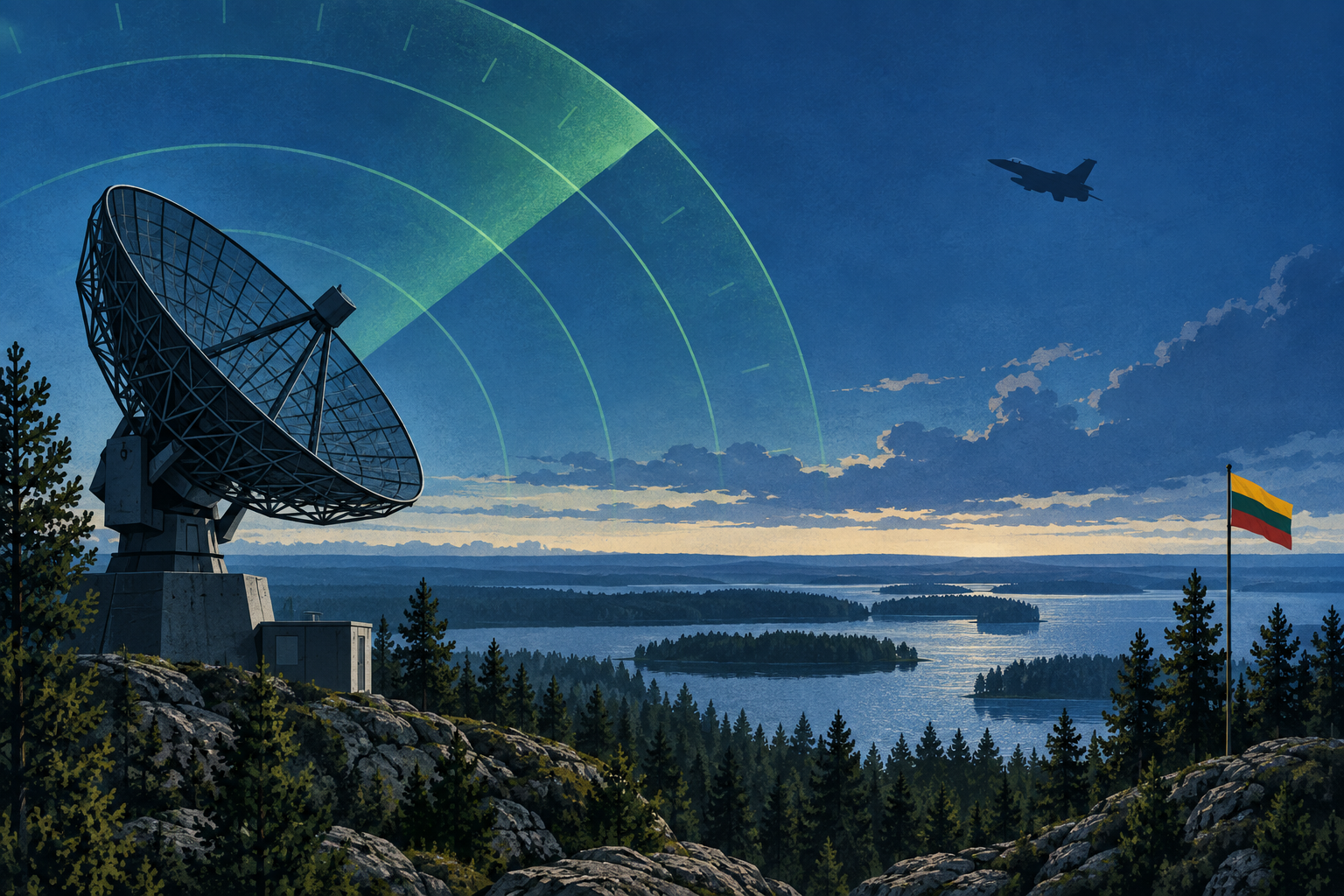
A drone crossing a border can trigger decisions in minutes. Working out where it came from, who controlled it and what it was meant to do can take much longer.
Italian fighter jets operating with NATO intercepted and brought down a drone in Lithuanian airspace overnight into Tuesday. Italy’s defence ministry confirmed that two Eurofighter F-2000 aircraft were scrambled after the airspace violation and said the crews acted under the alliance’s operational procedures.
The ministry’s account confirms the operation. It does not establish who sent the drone or provide a completed investigation into its purpose.
Reuters reported that Lithuania’s crisis management centre placed the interception near Pratkunai, close to Kaunas. The centre said the drone entered from Belarus after midnight.
Italian Defence Minister Guido Crosetto said it most probably came from Russia. Lithuanian Defence Minister Robertas Kaunas said the debris needed to be examined before officials could clearly identify whether it was Russian or from another country.
Those statements should be kept separate. Crossing from a particular country is evidence about a route. It does not, on its own, settle who launched or controlled an aircraft. Crosetto’s assessment was an attributed judgment, not a published forensic conclusion.
AP reported that Lithuanian military officials described it as the first drone shot down in the country’s airspace. Its early report also said authorities were still investigating the drone’s origin and purpose.
The presence of Italian aircraft in Lithuania shows how allied air defence works across national borders. A country supplies crews and aircraft to a mission whose purpose is to help protect the wider alliance.
In this context, being scrambled means taking off quickly in response to a possible threat. It describes the response to an alert. The investigation that follows has a different job: establishing the facts behind the object that caused it.
That distinction matters because the first images or official comments can travel widely before technical work is complete. A short video of debris may show that something came down, but it cannot answer every question about its route, equipment or operator.
For people watching developments in Europe, the important point is that the interception and the attribution are separate parts of the story. The first has been confirmed by the country whose aircraft took part. The second still requires evidence.
The next meaningful information will come from examination of the wreckage and fuller official findings. Until then, reporting a suspected origin as a settled fact would go further than the available accounts support.
Similar stories
20 September 2026

19 September 2026

18 September 2026