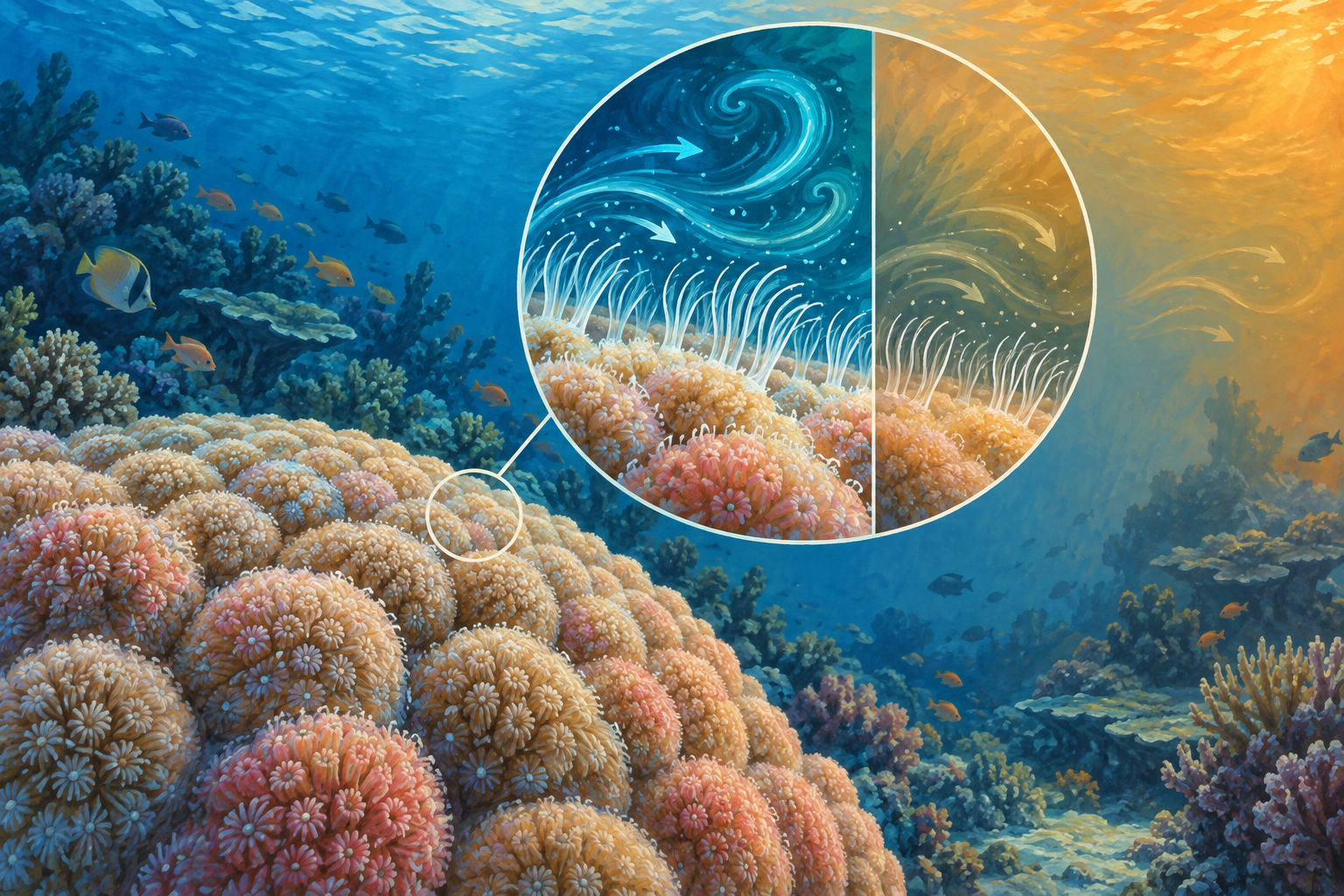
Corals move water with tiny hairs. Heat can turn that lifeline into a problem.
21 September 2026


A new assessment puts global additions at 693 gigawatts in 2025, while warning that stronger growth and better grids are still needed.
By Steve Carsley 22 September 2026
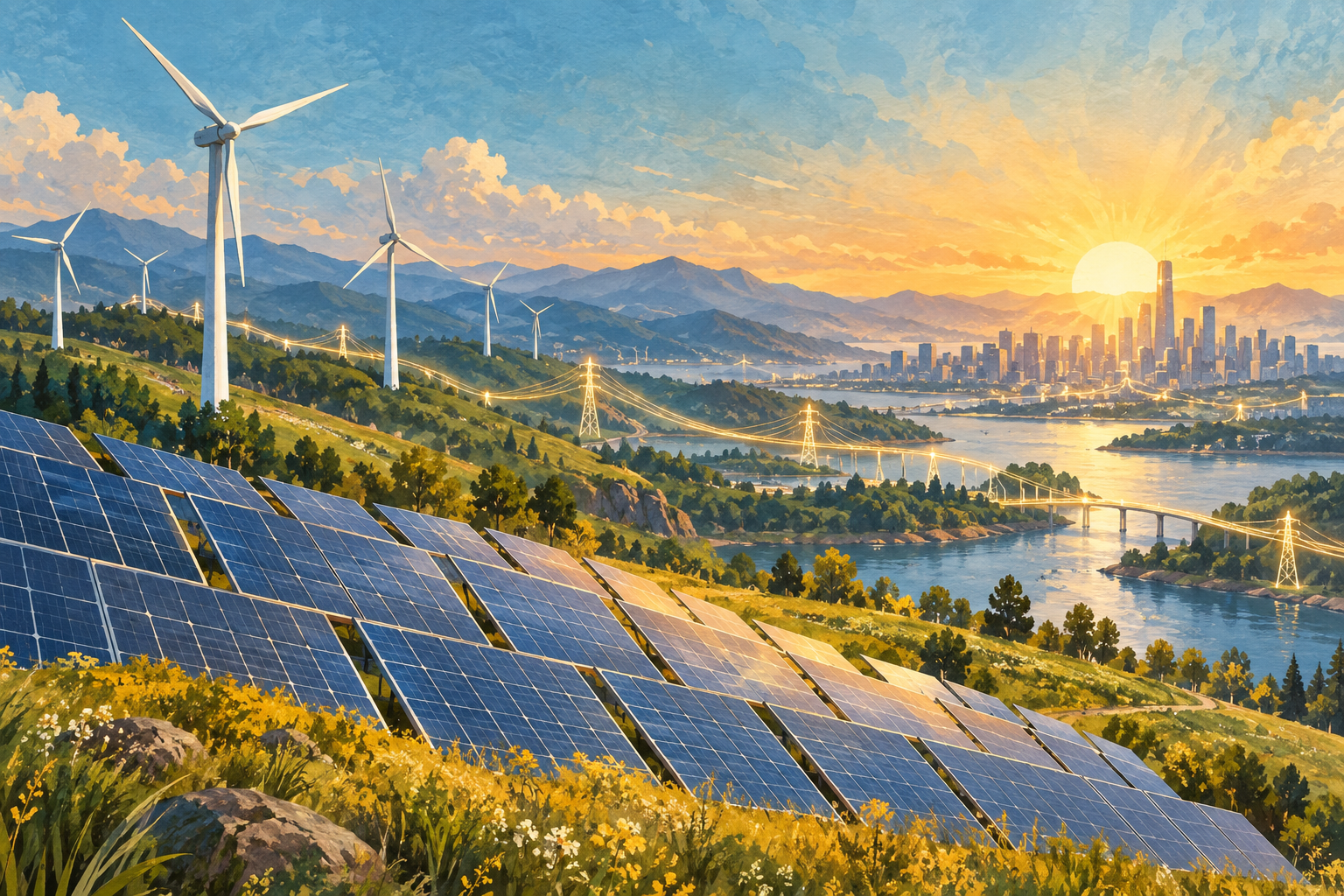
There is encouraging news in the race to build cleaner electricity: the world keeps adding more renewable power. The harder news is that breaking last year’s record does not automatically mean the finish line is close enough.
An assessment released as Climate Week opened in New York on September 21 found that global renewable power capacity grew by 693 gigawatts in 2025. The report involved the International Renewable Energy Agency, the Global Renewables Alliance and the presidency of this year’s UN climate talks, according to Associated Press reporting.
To reach the global 2030 goal, the world would need to build more renewable capacity from 2026 through 2030 than it built in all previous years combined, AP reported. That puts the scale of the remaining work into perspective.
AFP’s account of the assessment put total renewable capacity at 5.15 terawatts. One terawatt equals 1,000 gigawatts, so these are measures of a very large electricity system.
At the growth rate recorded in 2025, capacity would reach about 10.6 terawatts by 2030. That would still fall around 0.6 terawatts short of the 11.2-terawatt target. The projected gap has narrowed from the previous assessment, but it has not disappeared.
Capacity describes how much power equipment can produce under specified conditions. It is different from the amount of electricity actually generated over a year. Keeping those two ideas separate helps make sense of big energy headlines.
AFP also reported that the assessment calls for stronger electricity grids and combinations of wind, solar and battery storage. Building equipment is one part of the job. Getting dependable power to the places that need it is another.
In a statement from Monday’s Global Renewables Summit, the Global Renewables Alliance said government, business and civil society leaders called for faster clean electrification and progress towards tripling renewable capacity by 2030.
Electrification means using electricity for activities that currently burn fuels directly. The benefit depends partly on how that electricity is produced. Cleaner supply, useful connections and changes in how energy is used have to move together.
The alliance, an advocate for the sector, said the discussion focused on reliable, affordable systems built around clean electricity and stronger grids. A call from a summit is a statement of intent, however, rather than proof that all the necessary projects are funded or built.
For young people thinking about future jobs, transport and household costs, this is a practical story as well as an environmental one. More clean power is arriving. The question now is whether construction, investment and the networks that carry it can move quickly enough to turn that progress into the system the targets require.
Similar stories
21 September 2026

20 September 2026

19 September 2026