
Cuba starts restoring power after another nationwide blackout
20 September 2026


Reports of repairs lasting weeks sent traders looking closely at export routes and stored oil.
By Steve Carsley 15 September 2026
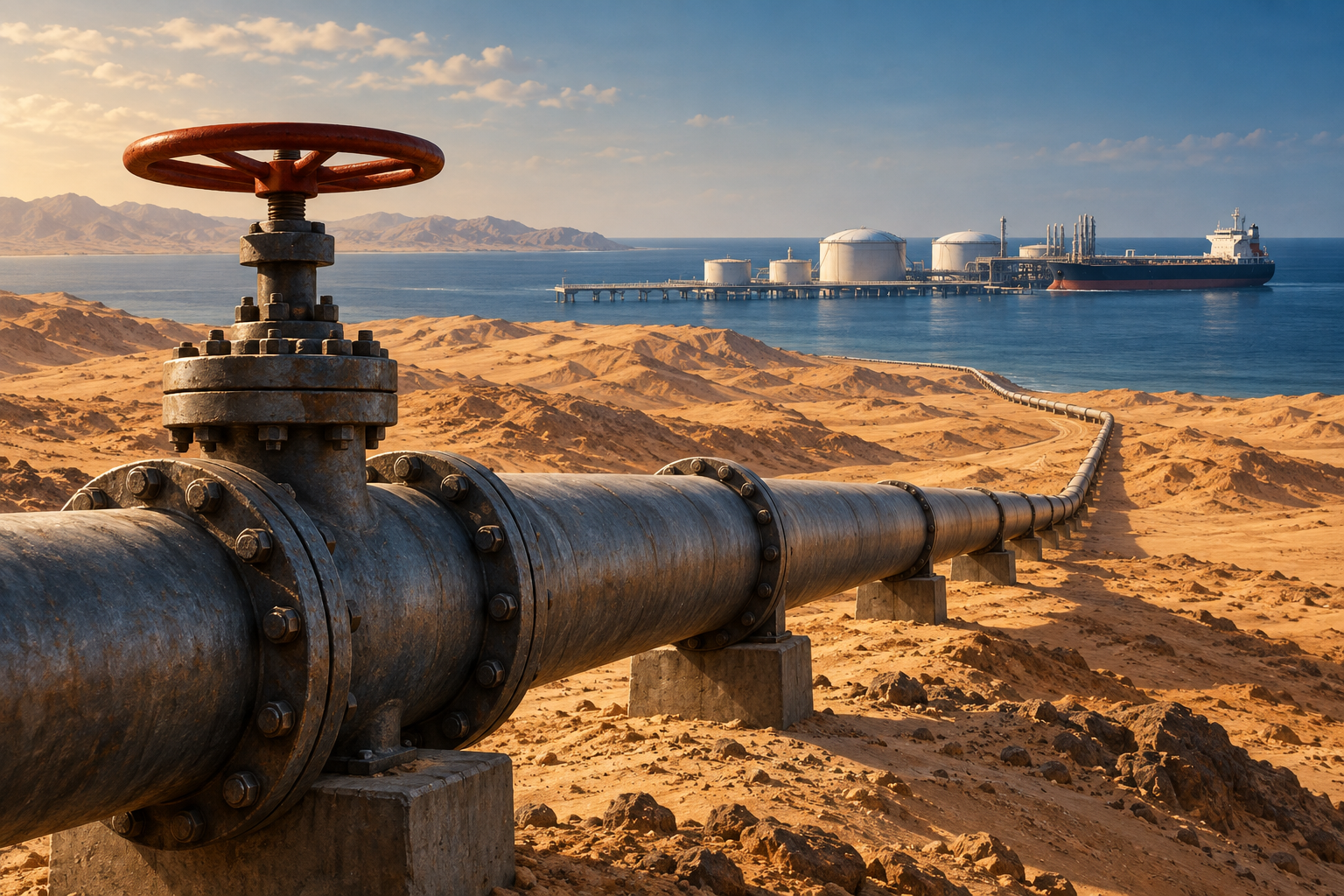
A pipeline across the desert can feel far removed from the cost of an ordinary commute. This week, the connection has become harder to ignore as a major route for Saudi oil remains disrupted.
On Monday, two regional officials told AP that repairs could keep a crucial Saudi pipeline mostly out of service for weeks. The report added to concern about how much oil the kingdom could move to overseas buyers.
The Saudi Ministry of Energy’s statement, carried by the Saudi Press Agency, said the East-West Pipeline had suffered multiple attacks on September 10 in the Riyadh and Madinah regions. It said the line was shut as a precaution, injuries were treated and technical teams were assessing its safety.
The pipeline carries oil across Saudi Arabia towards the Red Sea. Aramco’s description of its infrastructure explains that the link between eastern production facilities and Yanbu provides flexibility to export from either coast.
That flexibility matters when shipping through the Strait of Hormuz is disrupted. Moving oil to another coast gives exporters another route. If the pipeline serving that alternative is also interrupted, the available choices become more limited.
Reuters reported Brent crude at $109.29 a barrel at 14:15 GMT on Monday, up 4.5% at that point in trading. It linked the rise to attacks on regional energy infrastructure and shipping. That was an intraday price, not a final daily settlement.
Reuters also reported industry estimates that stored oil at Yanbu could support exports for five to seven days. Those estimates describe a temporary buffer, not an endless replacement for the pipeline.
Think of a storage tank as a reserve supply. Ships can keep loading from it while new deliveries are interrupted, but the reserve shrinks unless it is replenished. The key questions are how much is available and how quickly regular flows can restart.
The repair timetable remains uncertain. Reports citing officials or industry sources are useful signals, but they should not be mistaken for a confirmed date when the whole system will return to normal.
For households, a higher crude price does not translate into an identical, immediate increase at every petrol station. Refining, transport, taxes, exchange rates and local pricing decisions also influence the bill.
Even so, the reason this story reaches beyond oil traders is straightforward. Fuel helps move people and goods. A prolonged disruption can put pressure on the cost of moving them, which gives a distant piece of infrastructure a very local importance.
Similar stories
20 September 2026

19 September 2026

18 September 2026