
Cuba starts restoring power after another nationwide blackout
20 September 2026


The latest report shows what volunteers removed, and why counting the rubbish matters as much as collecting it.
By Steve Carsley 9 September 2026
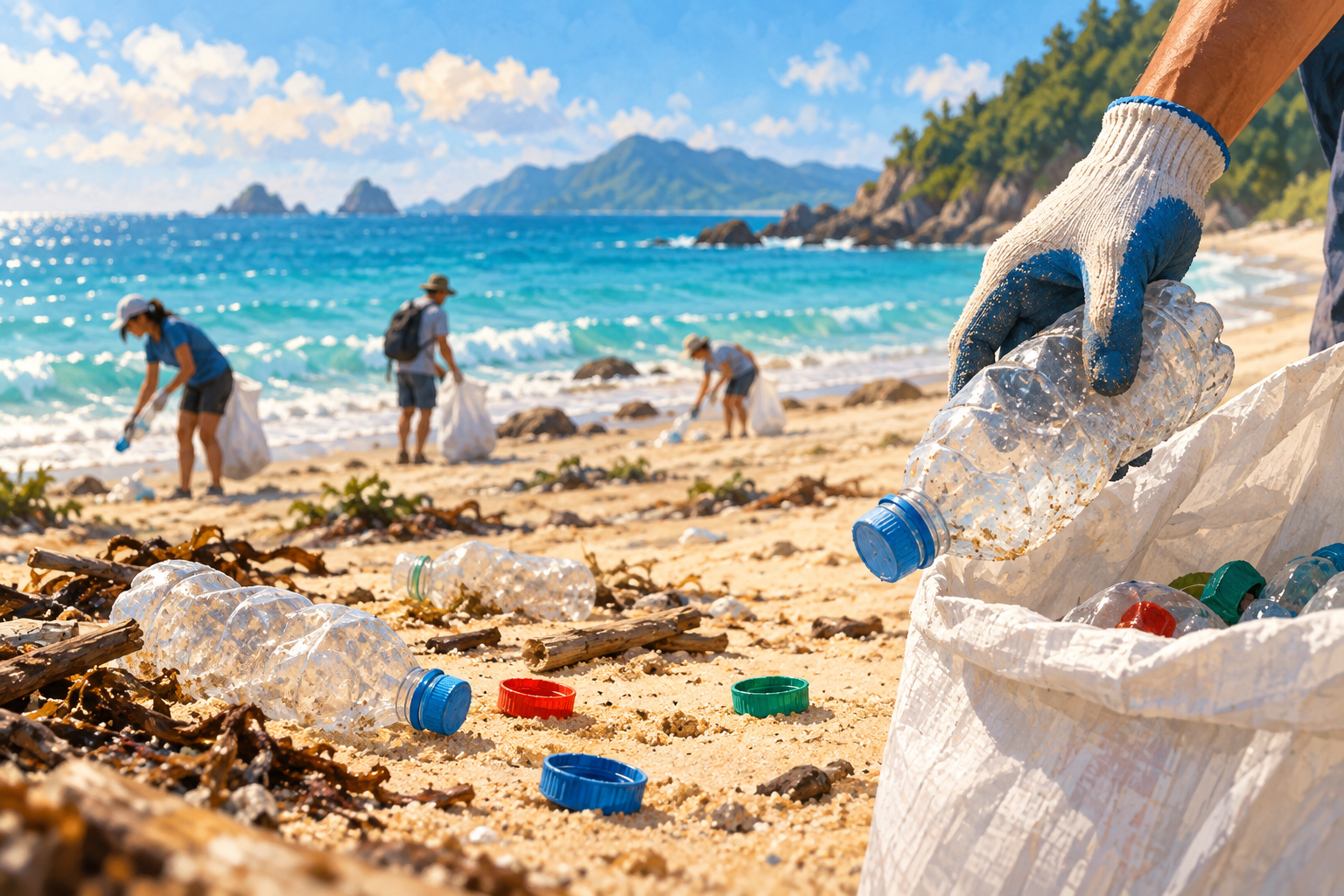
When volunteers bend down to pick up a discarded bottle, they are doing more than making a beach look better. They are also adding one small piece of evidence to a much larger picture.
Ocean Conservancy says volunteers recorded 1,338,712 plastic beverage bottles during the 2025 International Coastal Cleanup. Bottles were the most commonly counted item, while 885,854 plastic bottle caps placed third. The organisation released the results in August, and the findings received fresh coverage on Tuesday. The original report announcement.
The year matters here. These are results from the 2025 campaign, published in 2026. They are not a count of everything currently floating in the ocean, or a tally from a cleanup that happened this week.
Earth.com's account described volunteers gathering litter from beaches, rivers and waterways, while recording the categories they found. It also explained that although the campaign has a central annual date, local cleanups take place across the month. Earth.com's report.
That distinction helps avoid a misleading image of every volunteer working during exactly the same few hours. The total represents a coordinated campaign across different places and events.
Counting items answers a different question from weighing them. A bottle and a tiny cap each count as one object, even though they do not have the same mass. The ranking therefore tells us which types appeared most often in the recorded collections, rather than which contributed the greatest weight.
Ocean Conservancy explains that the cleanup database is used by researchers, conservation groups and policymakers. Recording what gets collected can help them examine the products repeatedly appearing in the environment.
The published findings have also been covered internationally, including in a report carried by Yahoo News on the prevalence of bottles and caps. Additional coverage of the cleanup results.
A collection count still has limits. It reflects where volunteers worked and what they recorded. It should not be turned into a claim that every coastline has the same mix of rubbish or that uncollected litter has somehow been measured too.
The immediate benefit is easy to understand: the collected objects are no longer lying where volunteers found them. Preventing the next batch from arriving is a separate challenge.
That is where the repeated appearance of familiar packaging becomes useful. It directs attention to the journey from purchase and use to collection, disposal and possible leakage into the environment.
For anyone tempted to dismiss a cleanup as a small gesture, the figures show what many small efforts can add up to. They also show why the job cannot end with a photograph of a full rubbish bag.
Similar stories
20 September 2026

19 September 2026

18 September 2026