
Trump says his planned Washington arch would house drones and snipers
21 September 2026


Elif Eralp wants a coalition with the Greens and SPD. Turning housing promises into policy is the next challenge.
By Steve Carsley 22 September 2026
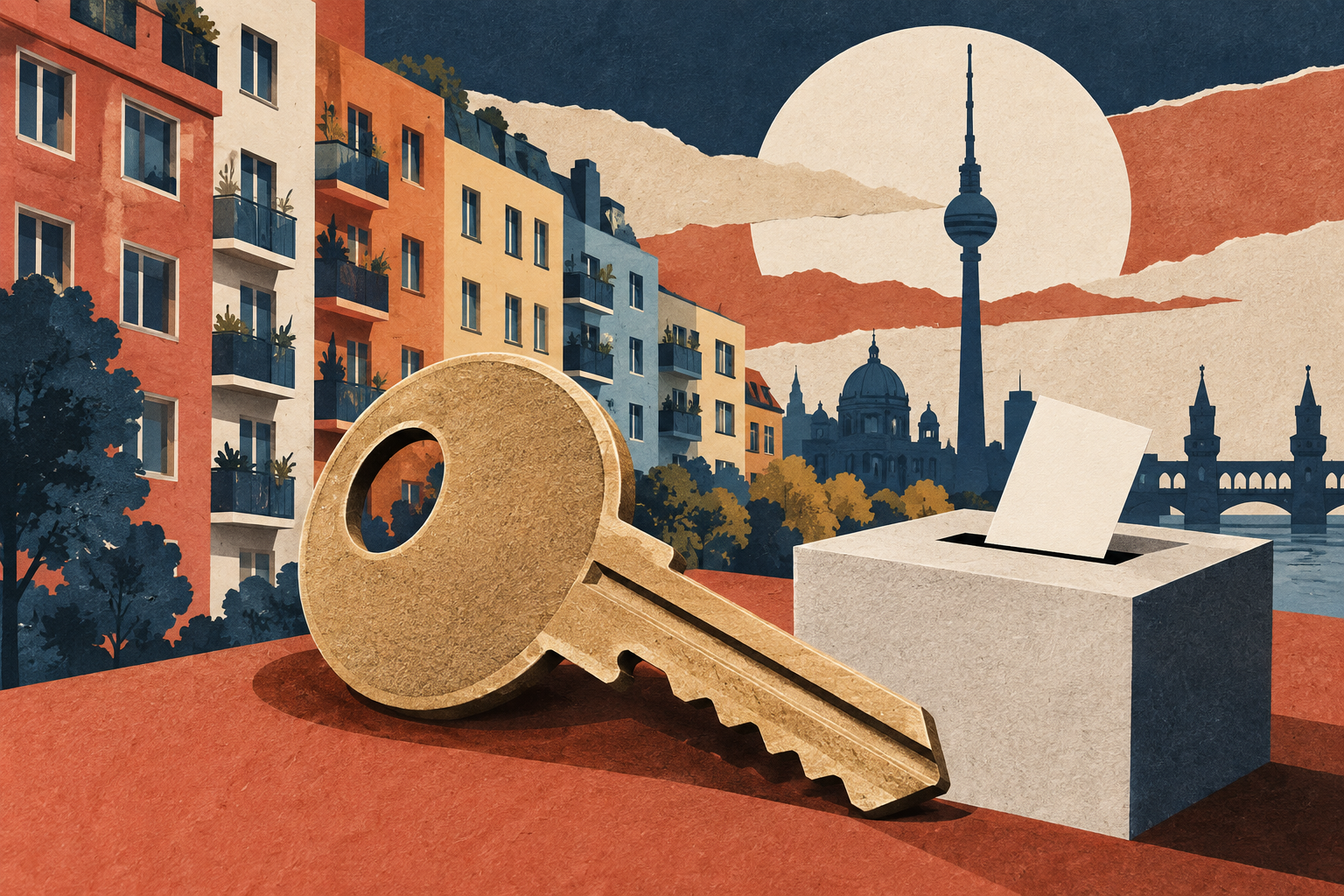
Finding a place to live can shape almost everything else: where you study, which job you take, and how much money survives until the end of the month. In Berlin, that everyday problem helped move an election.
Die Linke, Germany’s Left Party, emerged as the winner of the city-state’s election, with lead candidate Elif Eralp putting affordable housing at the centre of her campaign. Now comes a different kind of test: getting other parties to agree on a government.
Public broadcaster Tagesschau reported a provisional vote share of 25.7% for the Left, up from 12.2% in 2023. That is more than double its previous result and its strongest performance in Berlin.
The CDU finished second with 18.8%. Its existing governing partner, the SPD, fell to 12.1%. Together, the two parties could no longer continue their current coalition, according to the broadcaster.
Berlin’s election authority announced the provisional result early on Monday, September 21. Provisional means the official process is still moving towards a final result.
Eralp, 45, hopes to lead a government with the Greens and SPD. Winning the largest share of votes gives her a strong starting position. It does not automatically make her the city’s next leader.
On Monday, the Left said it wanted talks with both parties. Reuters reported that Eralp was willing to compromise but remained committed to bringing large housing companies into public ownership. The SPD opposes that approach.
In plain English, the disagreement is about who should own and control large numbers of rented homes, and whether changing that ownership would make housing more affordable. It is a major policy choice, with legal and financial questions attached, rather than a button a new leader can simply press.
Reuters also reported that the Greens and SPD could potentially join a CDU-led government instead. Coalition discussions therefore matter as much as the victory speeches. The parties still need to decide whom they can govern with and what they can actually deliver together.
For a student searching for a room or a young worker paying rent, the useful question is what happens after the campaign. Which measures survive negotiations? How quickly can they take effect? Who benefits?
Berlin’s result puts those questions near the top of the political agenda. The vote has created an opening for Eralp. A workable agreement, and then changes people can feel in their monthly budgets, would be the next steps.
Similar stories
21 September 2026

20 September 2026

19 September 2026