Labour holds Starmer’s old seat, but the Greens leave a warning
10 October 2026


His National Day speech backs dialogue and stronger defences, drawing a sharp response from Beijing.
By Steve Carsley 11 October 2026
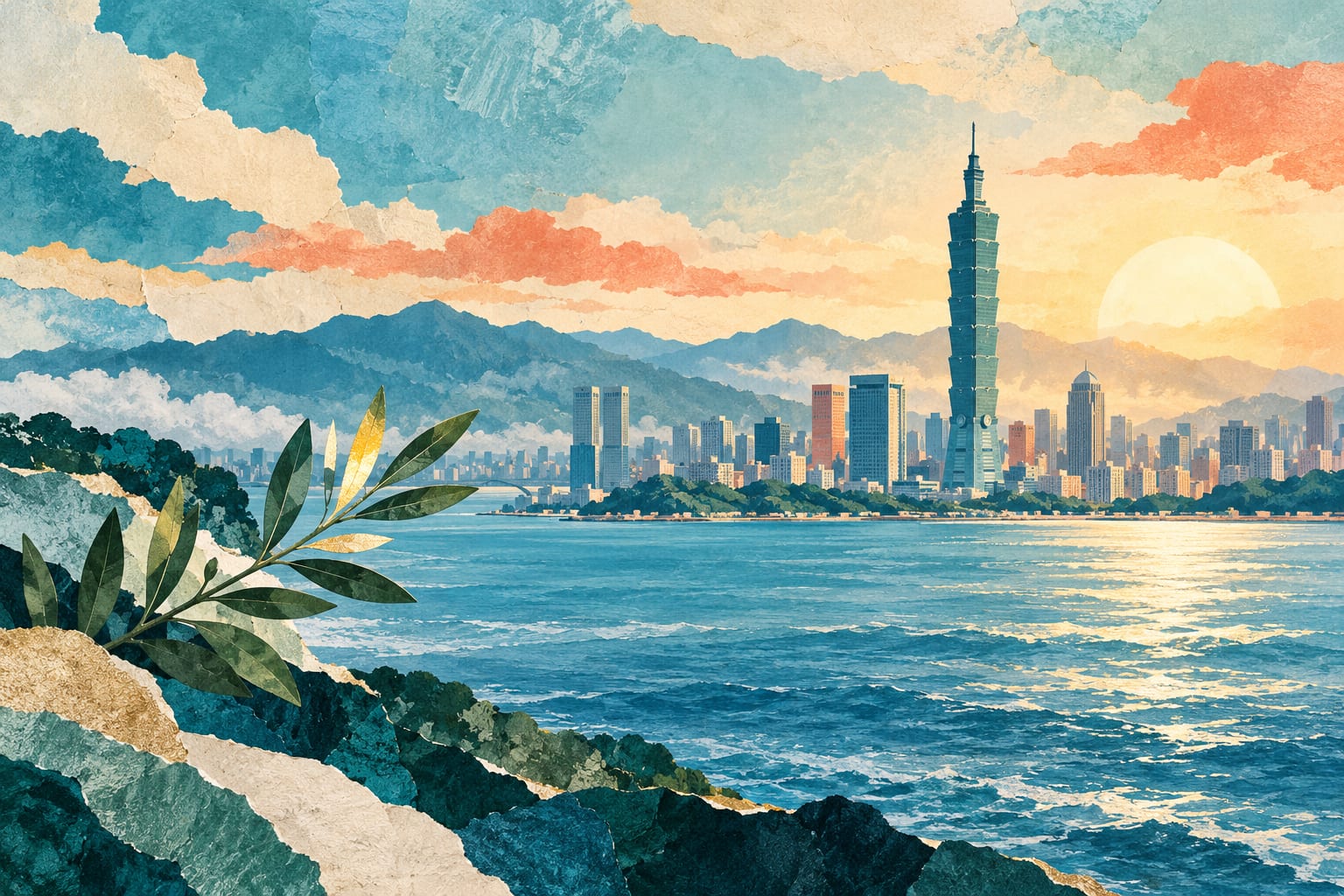
The message from Taipei was firm: talks are welcome, but Taiwan will not accept being placed under someone else’s control.
President Lai Ching-te used his October 10 National Day address to say Taiwan wanted peace while defending its freedom. He argued that stronger defences were intended to prevent war and support dialogue on equal terms.
In the official text of his speech, Lai welcomed efforts by the United States and China to manage their rivalry through talks. He also urged democracies in the Indo-Pacific to work together to preserve regional stability.
His central argument was that hoping for peace is not enough. Taiwan, he said, also needs the ability to protect itself and keep everyday services running during a crisis.
That preparation includes energy, communications, transport, food, finance and healthcare. It is a reminder that security policy reaches well beyond soldiers and military equipment. A functioning hospital or a reliable phone connection can matter greatly when normal life is disrupted.
Lai presented defence spending and dialogue as parts of the same approach. In his account, better protection gives Taiwan room to talk without being forced into an agreement.
China’s Taiwan Affairs Office accused Lai of promoting separatism, exaggerating threats and misleading the public, Reuters reported. Beijing maintains that Taiwan is part of China and that its future concerns Chinese people on both sides of the strait.
Taiwan is democratically governed, and its government rejects Beijing’s claim to rule it. China has not ruled out using force to bring the island under its control.
Those opposing positions explain why a ceremonial speech quickly became a diplomatic confrontation. Both sides describe their approach as protecting peace, but they disagree over who has the authority to decide Taiwan’s future.
The United States remains Taiwan’s most important international backer despite having no formal diplomatic relationship with Taipei. Reuters said a senior US official welcomed Lai’s commitment to stability and warned against using a routine speech to justify coercion.
AP’s coverage placed the address against continuing military pressure. Taiwan’s defence ministry reported 21 Chinese military aircraft and seven navy ships operating around the island during the preceding 24 hours.
National Day marks the 1911 uprising associated with the founding of the Republic of China. Its government moved to Taiwan in 1949 after losing the Chinese civil war.
The speech did not announce a settlement or remove the risk of confrontation. It set out Lai’s position: pursue talks, strengthen Taiwan’s ability to withstand pressure, and insist that its people’s freedom remains central to any discussion.
Similar stories