
Badenoch would choose another election over a deal with Reform UK
7 October 2026


A conservative group wants an exemption before the US midterms, while critics warn of unwanted calls and misleading voices.
By Hussain Sunesara 8 October 2026
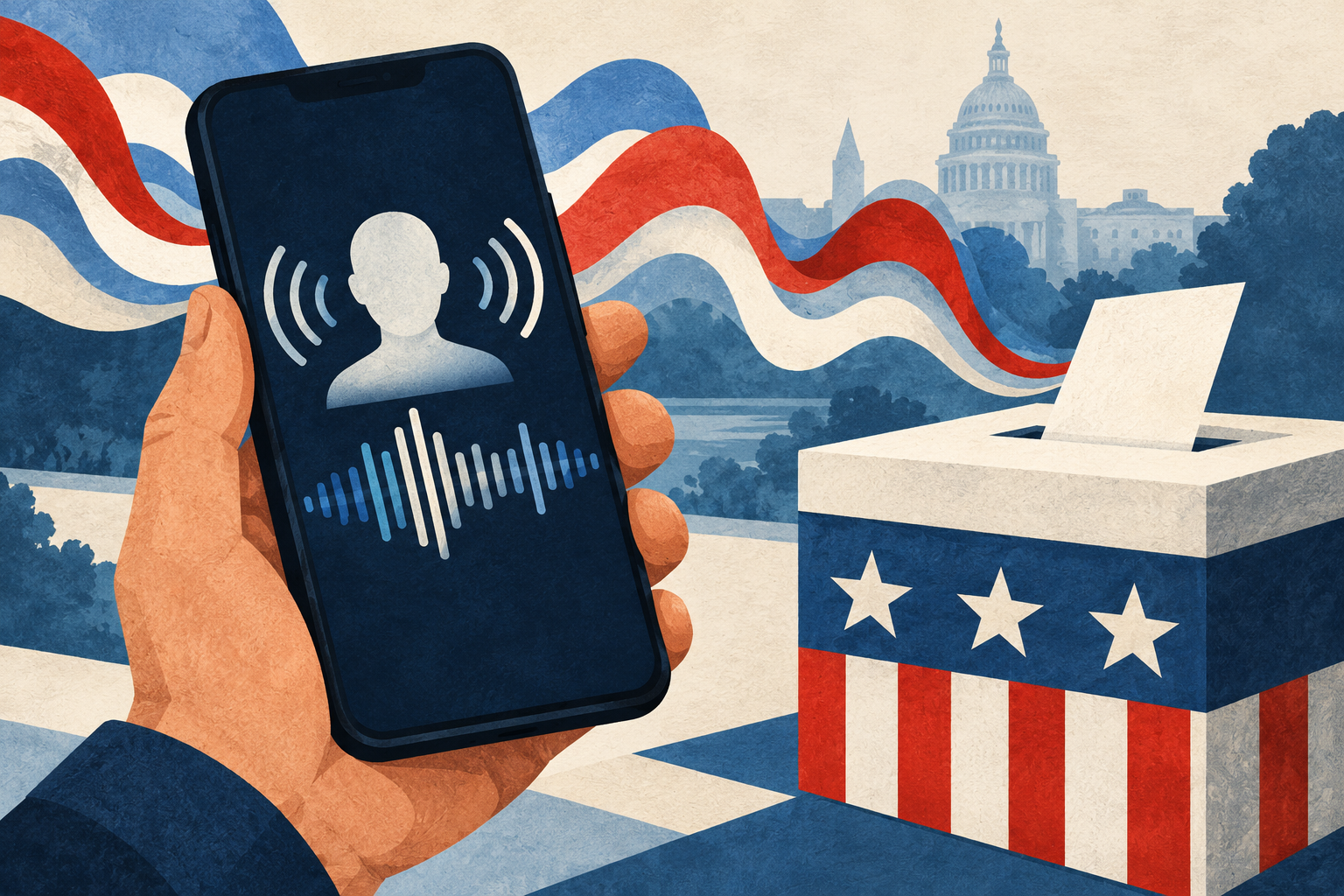
An unfamiliar number flashes on your phone. You answer, and a voice wants to discuss the election. Now imagine that voice was generated by software, and you never agreed to receive the call.
That possibility is at the centre of a debate at the US Federal Communications Commission. On October 7, fresh reporting put attention on a request from Club for Growth, a conservative economic policy group, to relax consent requirements for certain political calls to mobile phones.
The key detail is that this is a pending request. The FCC has not approved the proposed change. A petition asking for permission is not the same thing as permission being granted.
The FCC’s public notice describes a request covering noncommercial political calls using artificial or prerecorded voices, including voices made with AI, without the recipient’s prior express consent. The notice sets October 19 as the deadline for reply comments.
In plain English, the argument is about whether political groups should be able to reach mobile users with these calls without getting an advance yes. It is not simply a debate over whether computers can speak convincingly. They already can.
Reuters reported that Club for Growth president David McIntosh wants political speech treated similarly to permitted calls about deliveries, bank accounts and medical appointments. The group presents its request as a matter of protected political communication.
FCC commissioner Anna Gomez opposes it. She warned that allowing unwanted AI-generated political calls so close to Election Day could create confusion. Her criticism concerns both the volume of calls people might receive and the risks attached to their content.
The Associated Press explains that federal law generally bars most robocalls to cellphones without prior consent. Consumer advocates fear an exemption could make unwanted or misleading political messages easier to distribute during the final stretch before November’s elections.
The concern has a concrete precedent. In 2024, New Hampshire voters received calls using an AI imitation of then-President Joe Biden’s voice, falsely encouraging them to skip the primary. The episode showed how familiar-sounding audio could carry a deceptive voting message.
That does not mean every AI political call would be a fake candidate recording. Artificial voices can also deliver ordinary campaign messages or hold conversations. The question is what protections should apply before those systems reach people’s phones.
For now, the outcome remains open. The FCC must decide what to do with the request, while campaigners and consumer groups argue over how to balance political outreach with a person’s right to decide who gets to interrupt their day.
Similar stories