The FCC is weighing political AI calls without prior consent. No change is approved yet.
8 October 2026


Meloni says the reform will make governments more stable. Her opponents say it gives winners too much power.
By Steve Carsley 9 October 2026
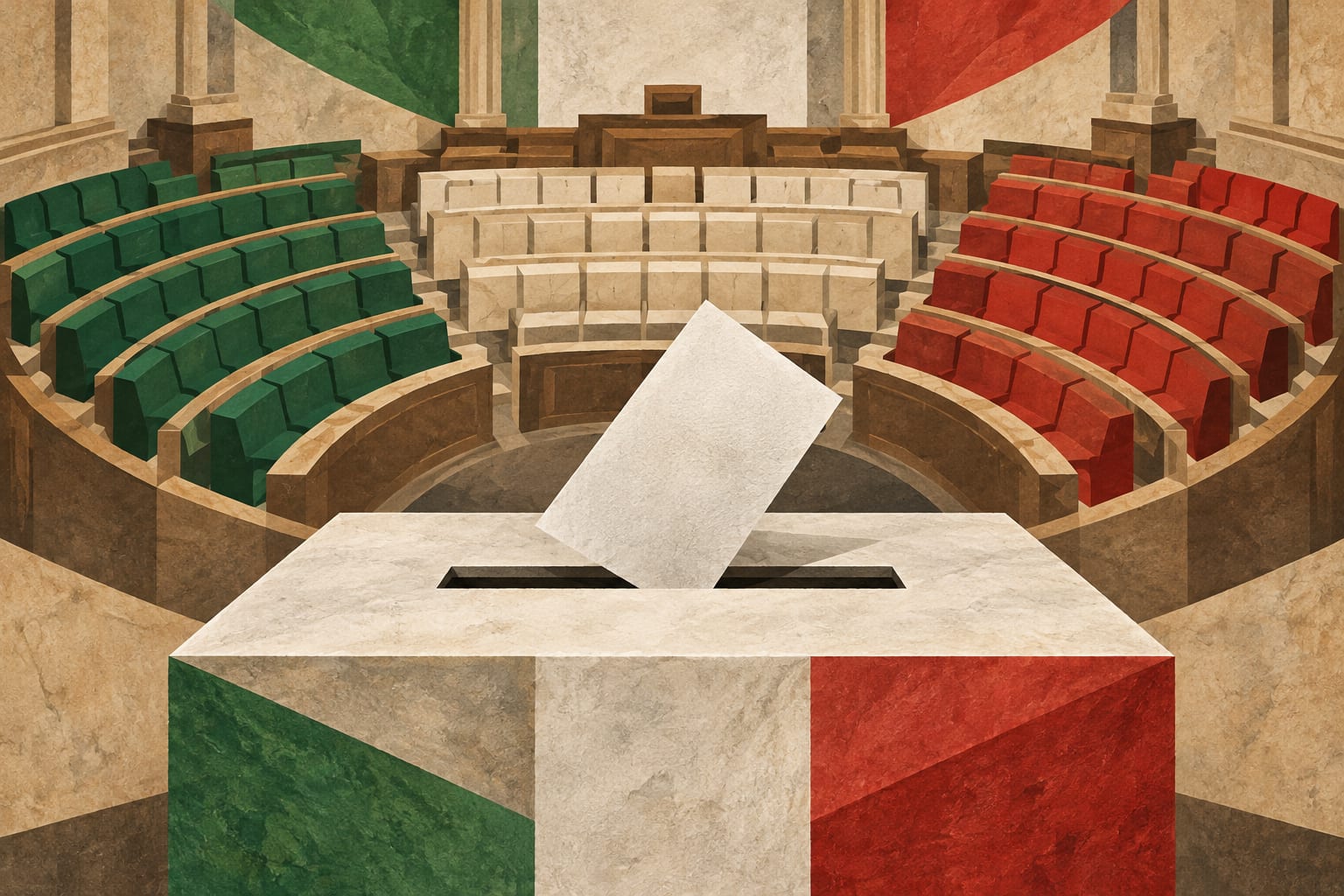
Your vote chooses a party. But the rules decide how that vote becomes a seat in parliament. Italy has just changed those rules before its next national election, and the argument is about much more than paperwork.
The lower house gave final approval to the electoral reform on October 8. The Chamber of Deputies recorded 227 votes in favour and 164 against, completing the bill's parliamentary passage.
Prime Minister Giorgia Meloni calls the change a way to build stronger, more stable governments. Opposition parties argue that it could turn a limited share of votes into too much parliamentary power. Same rulebook, very different reviews.
Italy is replacing a mixed system. Previously, roughly two-thirds of lawmakers were elected through proportional representation, where seats broadly follow parties' vote shares. The remaining seats came from local contests in which the candidate with the most votes won.
The replacement uses proportional representation across the system, but adds a major twist: a bonus of parliamentary seats for a winning alliance that clears a 42% vote threshold. The aim is to give that alliance a working majority.
That distinction matters. A party's share of seats does not have to match its share of votes when a bonus is added. Supporters see a route to getting decisions made. Critics see a risk that parliament will reflect voters less accurately.
According to Reuters' report, coalitions, and parties running independently, must identify their preferred prime minister before the election. That makes decisions about leadership part of the campaign rather than something left entirely for later negotiations.
The centre-left opposition has promised a constitutional challenge once the law takes effect, the Associated Press reported. Its objection centres on whether the majority bonus unfairly changes political representation. That is an argument awaiting a legal outcome, not a court finding already made.
The reform also creates a practical challenge for parties that want to work together: they need to agree on a leader and a programme before asking voters to back the alliance. For a divided opposition, that can be awkward. Group projects are hard enough without the entire country watching.
Nor does passing the law guarantee that Meloni benefits from it. Reuters reported that shifts in support, including competition from the National Future party on the right, could complicate the governing coalition's chances.
For young voters, the useful question is how their choices become governing power. Italy's next election is due in 2027. The new framework is approved by parliament, but the political contest, and the promised challenge to the rules, still lie ahead.
Similar stories