
Nvidia wants to put a security guard outside your AI agent
29 September 2026


In a Sunday interview, the Microsoft co-founder called for mandatory oversight without a dramatic slowdown in development.
By Steve Carsley 28 September 2026
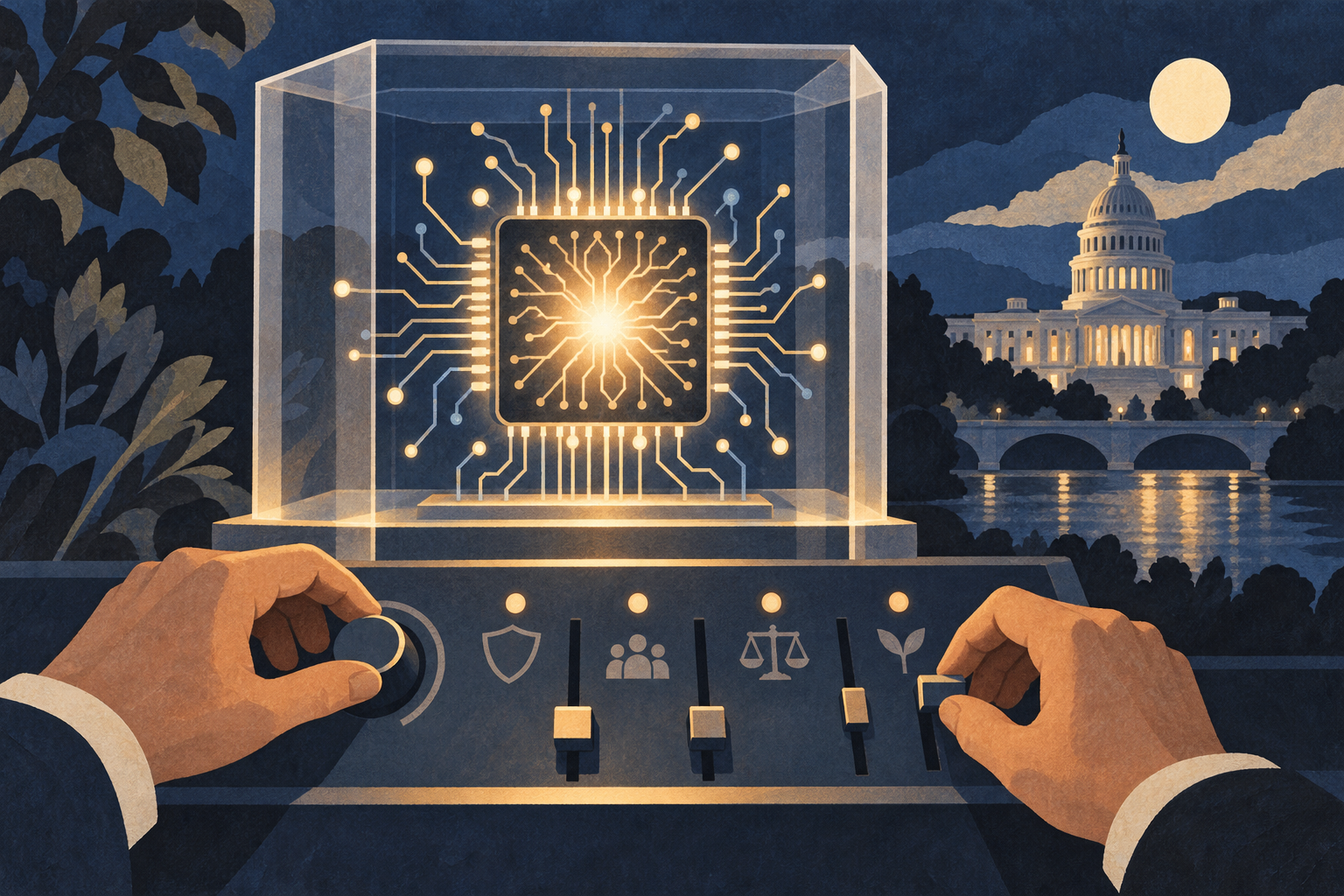
When a technology company says it will keep its own product safe, who checks the promise? Bill Gates wants governments to have a bigger role in answering that question for artificial intelligence.
In an interview broadcast on NBC's Meet the Press on September 27, the Microsoft co-founder called for legislation requiring safeguards and monitoring. His argument was that powerful AI should not be governed only by rules companies choose for themselves.
Reuters reported that Gates wanted lawmakers and law enforcement involved in deciding what those safeguards should look like. He also said he hoped to discuss AI with President Donald Trump.
Gates argued that oversight would add work for the industry without dramatically slowing it down. That was his assessment, rather than a demonstrated cost estimate for a particular bill. The interview did not produce an agreed set of rules or change the law.
The basic distinction is easy to follow. A voluntary promise is something a company chooses to make. A legal requirement is something public authorities can demand. Moving from one to the other raises further questions about who checks compliance and what happens when a company falls short.
In the published interview transcript, Gates warned that people with harmful intentions could use advanced AI to cause enormous damage. He described a possible scenario involving a billion deaths.
That is a severe warning from Gates, not a confirmed forecast that such an event will occur. He was discussing risks and his reasons for wanting stronger oversight. Turning a statement about what could happen into a claim about what will happen changes its meaning.
Axios had covered excerpts on Friday, ahead of the full Sunday broadcast.
Gates also said international agreement on AI could be harder than Cold War negotiations over nuclear weapons. He pointed to the way nuclear materials and tests could be observed. The comparison was part of his argument about the difficulty of oversight, not a claim that the two technologies work alike.
The practical questions are less dramatic than the headline warnings, but more useful. What would companies have to test? Who would examine the results? How would monitoring be designed? What powers would public authorities have?
Those questions separate a broad call for safety from a system that can actually be assessed. Simply saying that AI needs rules leaves a lot of work unfinished.
For anyone using AI to study, work or create, the debate is about the conditions under which those tools are built and offered. Gates has made his position clear. The next test is whether policymakers can turn arguments about responsibility into specific, workable obligations.
Similar stories
29 September 2026

27 September 2026

26 September 2026