Sweden won the vote. Now comes the argument over who can govern
29 September 2026


A new commission will examine electoral reform, with Labour planning to put a commitment in its next election manifesto.
By Steve Carsley 30 September 2026
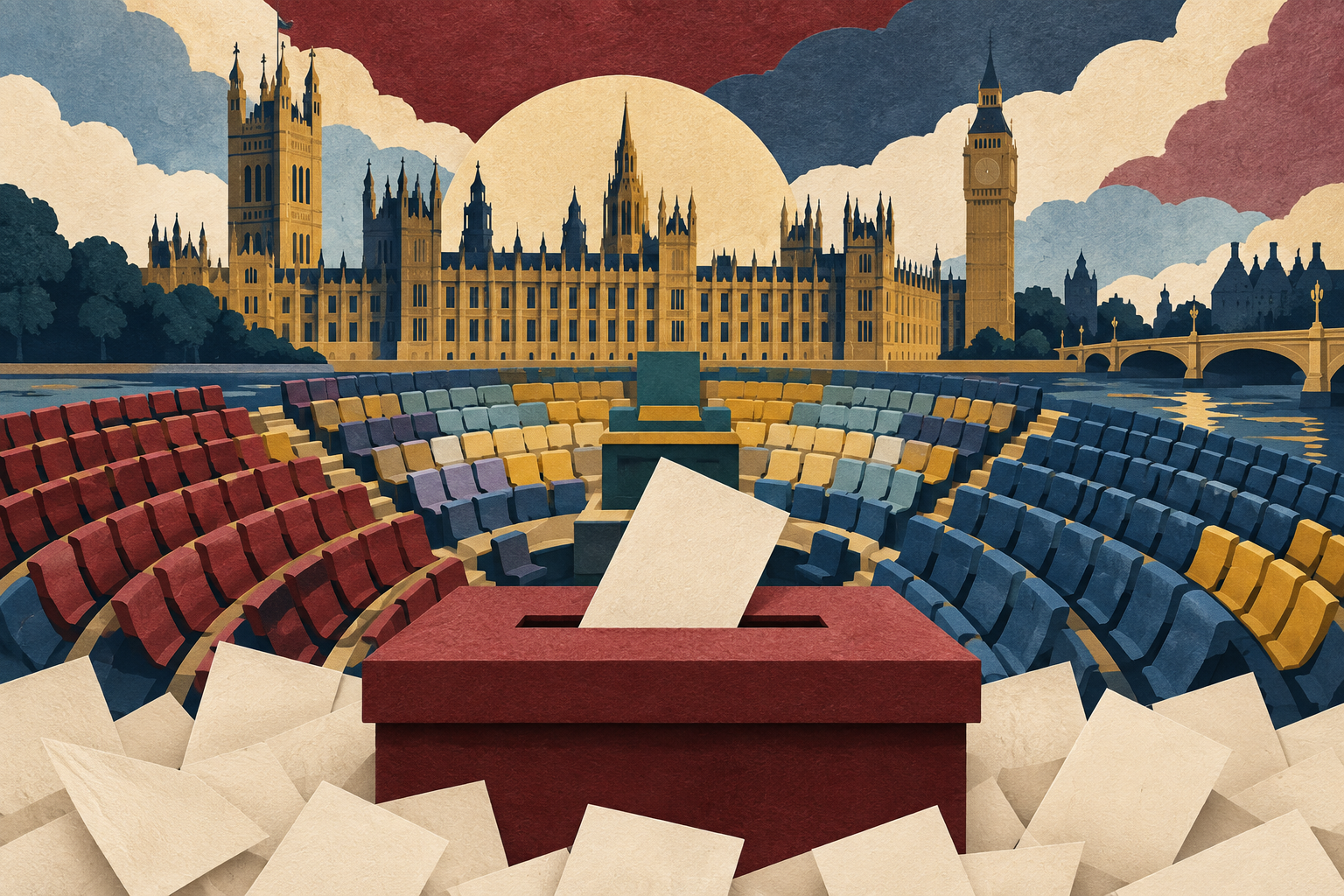
Winning votes and winning seats are not always the same thing. That gap was at the centre of a major announcement by British Prime Minister Andy Burnham at Labour's annual conference in Liverpool on September 29.
He announced a national commission on electoral reform and said Labour would fight the next election with a commitment to change the voting system. In the published speech, he invited other political parties to join the commission's work.
This is the start of a political process. It does not mean the rules for electing MPs have already changed, or that a fully designed replacement system has been agreed.
Britain elects its House of Commons using first past the post. As Parliament's guide explains, the candidate with the most votes in a constituency wins its seat. The winner does not need more than half of all votes cast there.
Imagine a fictional contest where three candidates receive 40, 35 and 25 percent. The candidate on 40 percent wins. Now repeat separate contests across the country. The national share of votes and the national share of seats can end up looking quite different.
Proportional representation aims to make a party's share of seats more closely match its share of votes. There are different ways to do that, so supporting the broad idea does not settle every detail of how people would vote or how seats would be allocated.
Reuters reported that Burnham has long favoured proportional representation. The next general election is due in 2029, and he wants to seek support across party lines for reform.
Reuters also placed the announcement against a more fragmented political landscape. Labour and the Conservatives have faced competition from Reform UK, the Greens and nationalist parties. When voters spread their support across more parties, the argument over how votes become seats gets harder to ignore.
But a commission still has work to do. Questions include the relationship between voters and local MPs, how a replacement would operate, and how any change would win the necessary political backing.
The Associated Press described the speech as a wide-ranging programme covering housing, education, care and Britain's relationship with Europe. Burnham also acknowledged the financial constraints facing his government.
For a young person approaching their first election, the electoral proposal has a direct connection: it concerns how their ballot would translate into representation. The next test is whether the commission can turn a conference promise into a clear, workable plan that voters can judge.
Similar stories