Sweden won the vote. Now comes the argument over who can govern
29 September 2026


The September 27 vote was about how neutrality works, with 70.1% rejecting the proposed change.
By Steve Carsley 28 September 2026
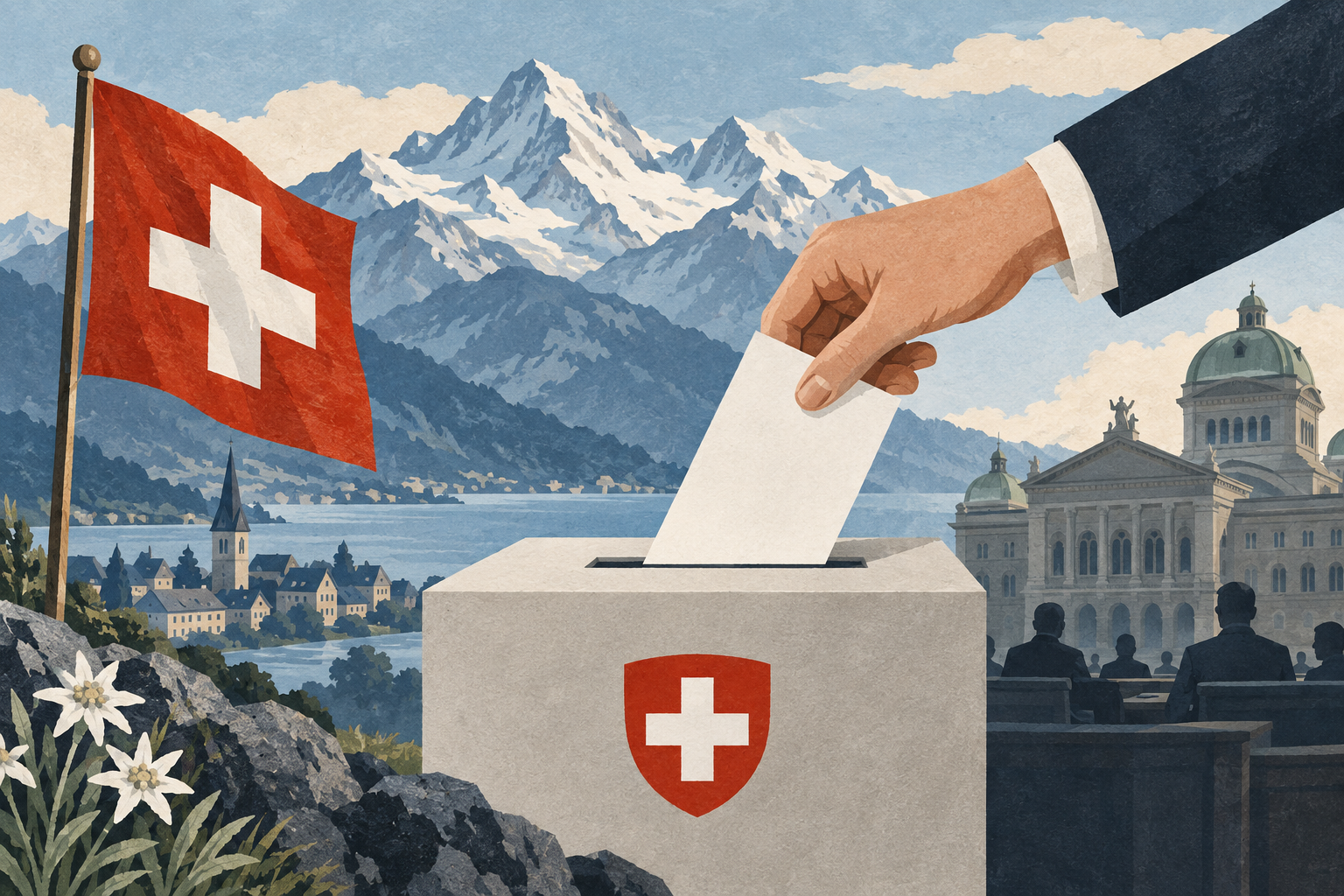
Being neutral sounds simple until someone asks what it means in practice. Can a country stay out of a war while joining sanctions? Can it work with a military alliance without becoming a member? Switzerland put that argument to its voters on September 27.
The answer was a clear rejection of tighter constitutional rules. According to LaPresse's report of the final results, 70.1% voted against the Neutrality Initiative, and every canton rejected it. Cantons are Switzerland's regional states.
The proposal sought to write a stricter version of neutrality into the constitution. The Swiss government's explanation says it would have defined that neutrality as permanent and armed, while sharply limiting cooperation with military or defence alliances.
Such cooperation would have been allowed if Switzerland was under attack or faced an imminent attack. The proposal also sought to prevent sanctions against countries at war, with exceptions for United Nations sanctions and measures stopping sanctions from being bypassed.
That distinction matters because Switzerland already allows some international cooperation while remaining neutral. After Russia invaded Ukraine, it largely adopted European Union sanctions against Russia. The initiative would have narrowed the government's choices in situations like that.
DW reported that the initiative came from Pro Schweiz, an organisation linked to the Swiss People's Party. Its supporters argued that Switzerland had moved too close to the EU and NATO since the war in Ukraine.
Their case was that firmer rules would protect the country's credibility as a neutral actor. If other countries know exactly where Switzerland stands, supporters argued, it can better serve peace and dialogue.
Opponents saw the same rigidity as a problem. The Federal Council and almost all major parties opposed the proposal. Foreign Minister Ignazio Cassis argued that Swiss neutrality had always been applied with some flexibility.
In plain English, the disagreement was about how much room Switzerland should have to respond when the world changes. One side wanted a tighter rulebook. The other wanted more space to judge each situation.
Rejecting this initiative does not mean Switzerland has abandoned neutrality or voted to join NATO. The ballot concerned a proposed stricter definition. Its defeat leaves the existing approach in place.
That is worth remembering when a complicated referendum gets squeezed into a dramatic social media caption. A vote against changing a policy is not automatically a vote against the policy itself.
For people outside Switzerland, the debate offers a useful reminder that familiar political labels can hide difficult choices. Neutrality still requires decisions about cooperation, sanctions and diplomacy. Voters have now chosen to keep more flexibility in how those decisions are made.
Similar stories