
US and China give their trade truce two more months as Xi visits Washington
25 September 2026


The opposition wants election chief Gyanesh Kumar to resign. The Election Commission and BJP reject the allegations.
By Steve Carsley 26 September 2026
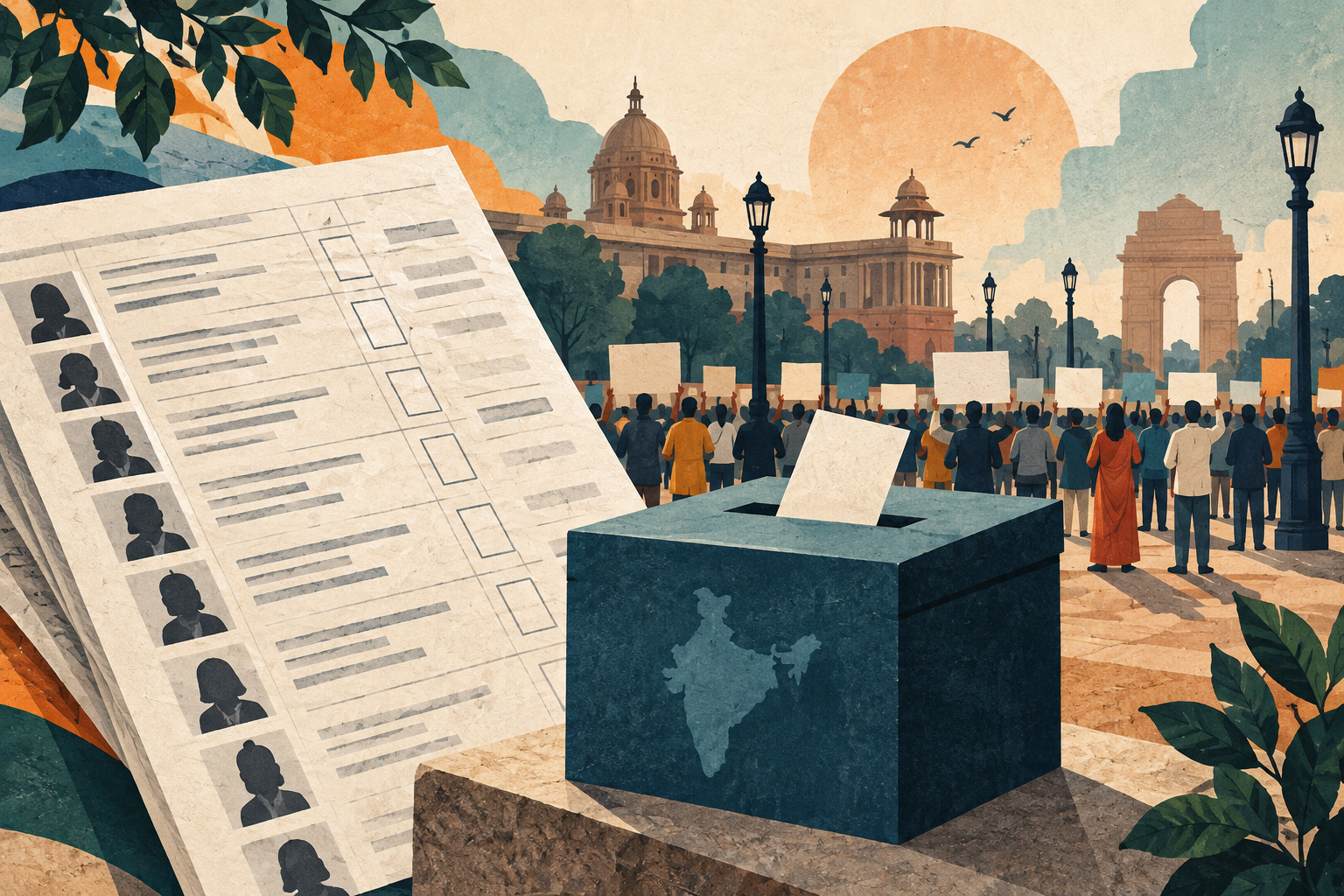
A list of names sounds like boring paperwork. Until the question becomes whose name is on it, whose name is missing, and who gets to vote.
That argument spilled onto streets across India on September 25. Congress workers demanded the resignation of Chief Election Commissioner Gyanesh Kumar over allegations about changes to electoral rolls. Police used water cannons and tear gas in some places, according to Reuters.
The opposition accuses the Election Commission of helping the ruling Bharatiya Janata Party through the handling of voter lists. Both the commission and the BJP deny those allegations. The protests do not, by themselves, establish that votes were manipulated.
The immediate trigger was a newspaper report about disagreements inside the three-member Election Commission. Opposition leaders treated it as support for their existing complaints about the Special Intensive Revision, or SIR, of electoral rolls.
Put simply, electoral rolls are the official lists used to identify registered voters. A revision checks and updates those lists. The political dispute is over how that process has been carried out and whether it has been fair.
The Week reported demonstrations across several states. In Delhi, Congress sought an independent audit of the revision exercise. In Chandigarh, police used water cannons as protesters tried to move towards election offices. There were also detentions in places including Lucknow, Guwahati and Jammu.
Kumar's planned visits to Meerut and Varanasi were postponed. But Election Commission sources told The Week that this decision was unrelated to the controversy. A changed travel plan is therefore not evidence that the commission accepted the opposition's case.
The commission says its actions were lawful and that differences among officials are normal. The BJP describes the opposition's attack as a smear campaign.
In a separate clarification reported by The New Indian Express, the ECI said the decision to introduce a declaration alongside Form 6 had been unanimous. It also described ECINET, its digital platform, as decentralised, with designated election officers performing their functions through individual accounts.
These are competing accounts of how the system works and how it has been used. The useful questions concern records, decisions and evidence, rather than which side produces the loudest slogan.
For young people entering electoral life, the issue is easy to understand: confidence in an election starts well before counting day. It starts with confidence that eligible people can appear on the list and take part.
Friday's demonstrations made that dispute much more visible. They did not settle it.
Similar stories
25 September 2026
24 September 2026

23 September 2026