Trump threatens Iran at the UN while predicting a deal after the midterms
23 September 2026


Jobs, public services and the promises surrounding the 2030 World Cup put everyday life at the centre of the election.
By Steve Carsley 24 September 2026
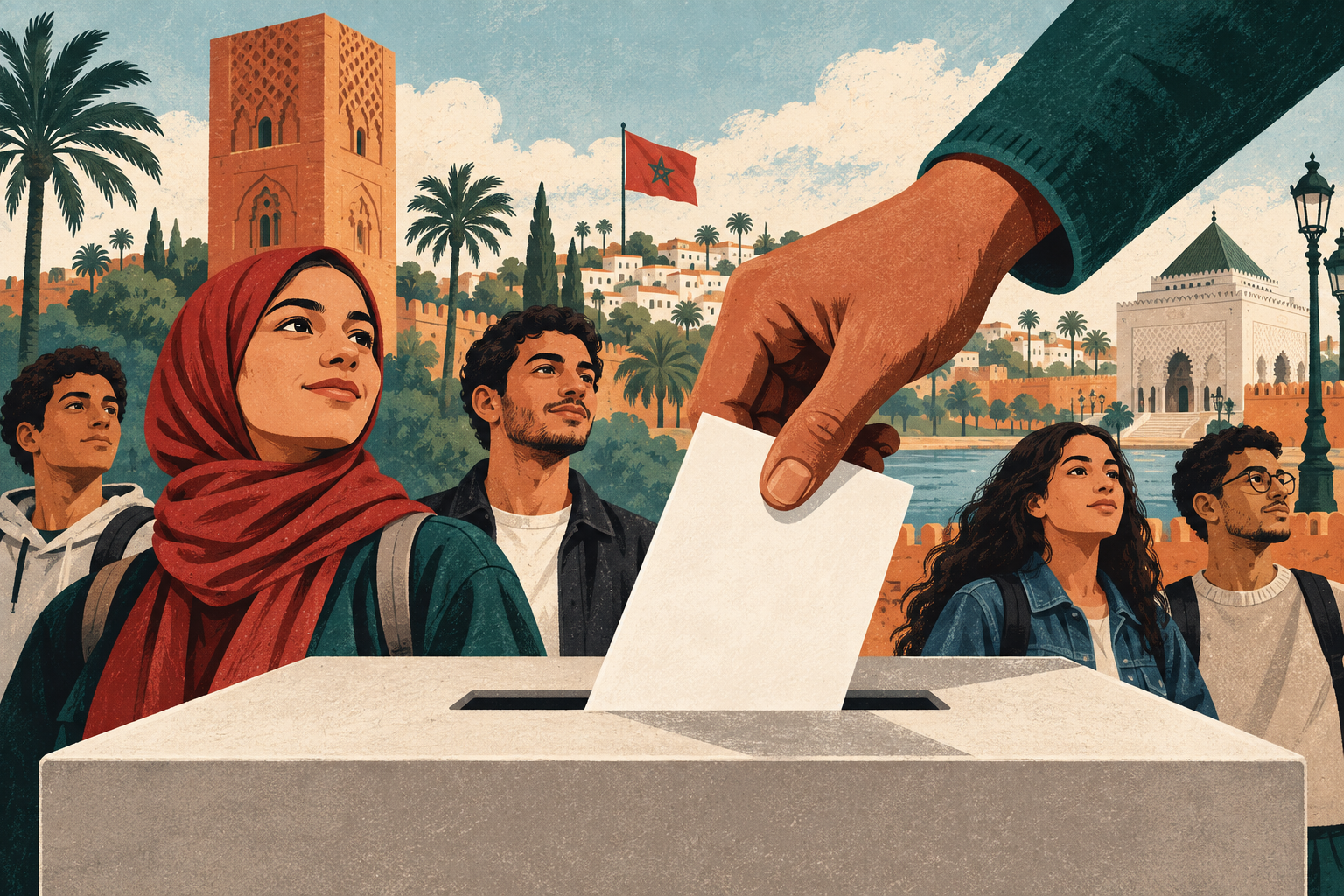
A shiny new stadium is exciting. A reliable salary matters every month. That tension helps explain the stakes as Moroccans voted for a new parliament on September 23.
The election will shape the government taking the country towards the 2030 football World Cup, which Morocco will co-host with Spain and Portugal. But behind the huge projects sits a simpler question: will young people feel the benefits in their own lives?
According to Morocco's official government portal, the contest covers 395 seats in the House of Representatives. Nearly 15.8 million people were registered, with 7,288 candidates on the submitted lists. The vote helps determine the political partners who will form the next government.
Young voters are a central part of the campaign, but their presence on the voter rolls is small. Official figures released before polling put people aged 18 to 24 at just 4% of registered voters. That is a share of registered voters, not a measure of how many young Moroccans actually voted.
Reuters reported ahead of the election that parties were trying to win over disenchanted young people with promises of employment and affordable housing. Last year's youth protests and this summer's rush towards the Spanish enclave of Ceuta exposed deep frustration over opportunity.
Reuters also described an uneven picture: investment in ports, railways and manufacturing has helped major cities, while many young people still struggle to find a stable place in the economy. A big national growth story does not automatically pay an individual's rent.
The Associated Press explained that the king must select the prime minister from the party finishing first. A coalition is expected because no party is expected to secure an outright majority. The monarchy retains substantial authority over strategic matters, including foreign affairs and defence.
That makes the election important without making it a reset of the entire political system. Parties will have to turn campaign promises into practical policies within that structure.
On polling day, state news agency MAP interviewed voters in Rabat who hoped the next government would improve living conditions. Some younger voters described participating as a way to have a say in the next five years. Those interviews show individual hopes, rather than a national verdict.
The test after the ballots is straightforward: accessible services, believable job opportunities and progress people can see outside a campaign video. Winning attention online is one thing. Earning trust through everyday improvements is a much longer assignment.
Similar stories
23 September 2026
22 September 2026
21 September 2026