Morocco votes as young people ask what politics can actually change
24 September 2026


The deadline moves to January 10, buying time for talks without settling the bigger disagreements.
By Steve Carsley 25 September 2026
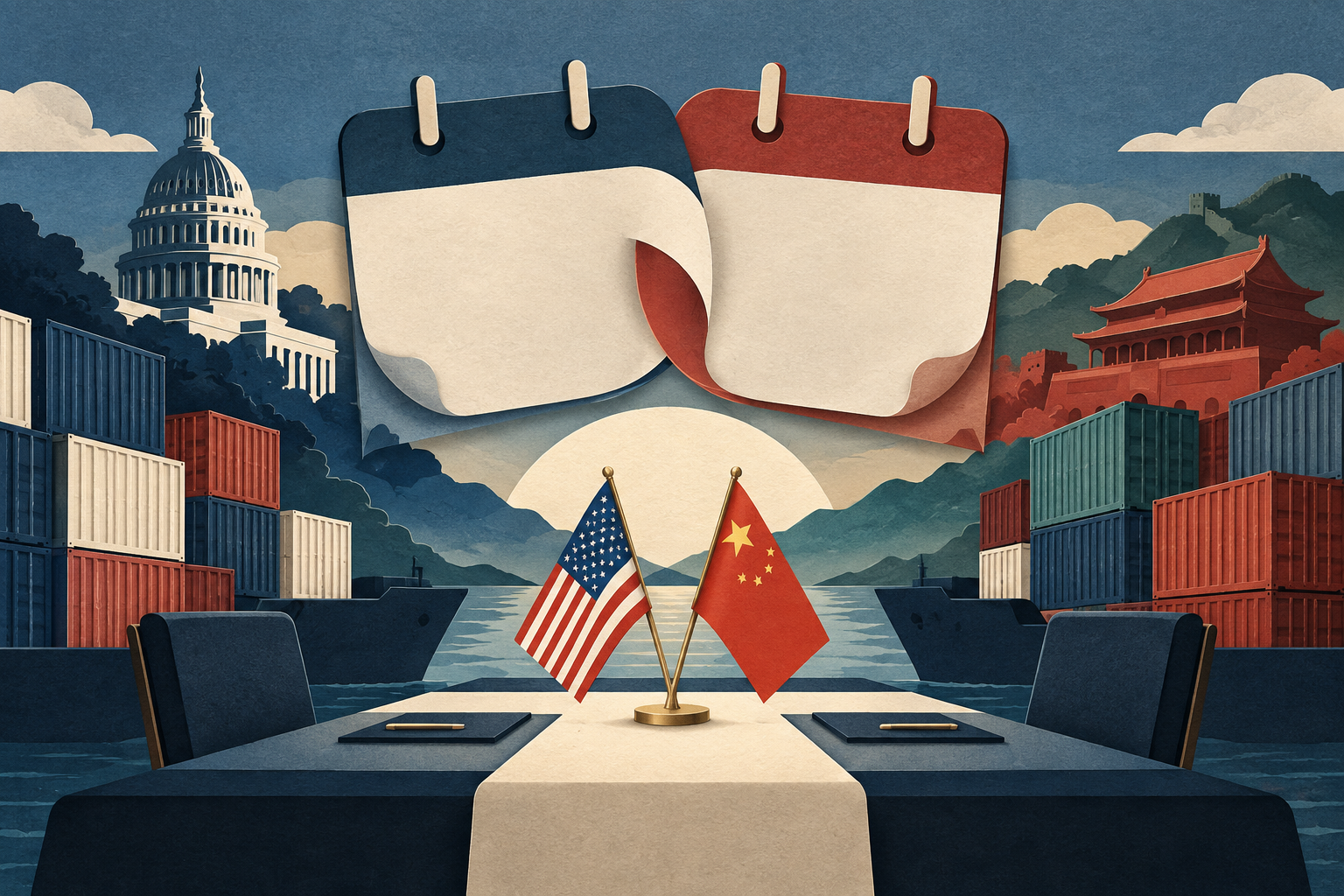
Sometimes the biggest announcement at a summit is that a difficult decision can wait a little longer. For the United States and China, that extra time is two months.
US Treasury Secretary Scott Bessent said the countries had agreed to extend their trade truce until January 10. The announcement came as Chinese President Xi Jinping arrived in Washington for a state visit, with President Donald Trump personally greeting him at Joint Base Andrews.
Reuters reported that the existing arrangement had been due to expire on November 10. Bessent said the extension would allow more time to work towards a potentially larger trade deal. That is the purpose of the extra breathing room, rather than proof that such a deal is guaranteed.
The truce followed a trade confrontation in which the two governments threatened each other's goods with tariffs above 100%, Reuters explained. Tariffs are taxes on imports. For businesses selling products across borders, sudden changes can upset prices, orders and plans.
An extension gives companies a little more certainty about the next deadline. It does not remove every trade barrier or resolve every argument about the relationship. Think of it as more time on the clock, with plenty of difficult work still on the table.
The Associated Press reported that Bessent announced the extension in a Fox News interview while Trump welcomed Xi. Bessent was openly uncertain about whether the next step would be a bigger agreement or another extension of the current arrangement.
The arrival was designed to be memorable. AP described a red carpet, an honour guard and a military flyover. Trump and first lady Melania Trump greeted Xi and his wife, Peng Liyuan, beside the aircraft. The airport meeting gave the visit an unusually personal opening.
The White House's published programme set out further ceremonies, talks and a state dinner for September 24, followed by events the next morning. It underlined how much ceremony surrounds a state visit of this scale.
But the policy agenda runs beyond tariffs. Reuters identified artificial intelligence, Taiwan and Iran among the issues shaping the talks. These are separate disputes; progress on the trade timetable does not automatically settle them.
For readers watching from elsewhere, the useful distinction is between an announcement and its limits. The two economies have agreed to keep a trade pause alive for longer. Businesses and consumers now have another date to watch, while the harder question of a lasting agreement remains open.
Similar stories
24 September 2026
23 September 2026

22 September 2026