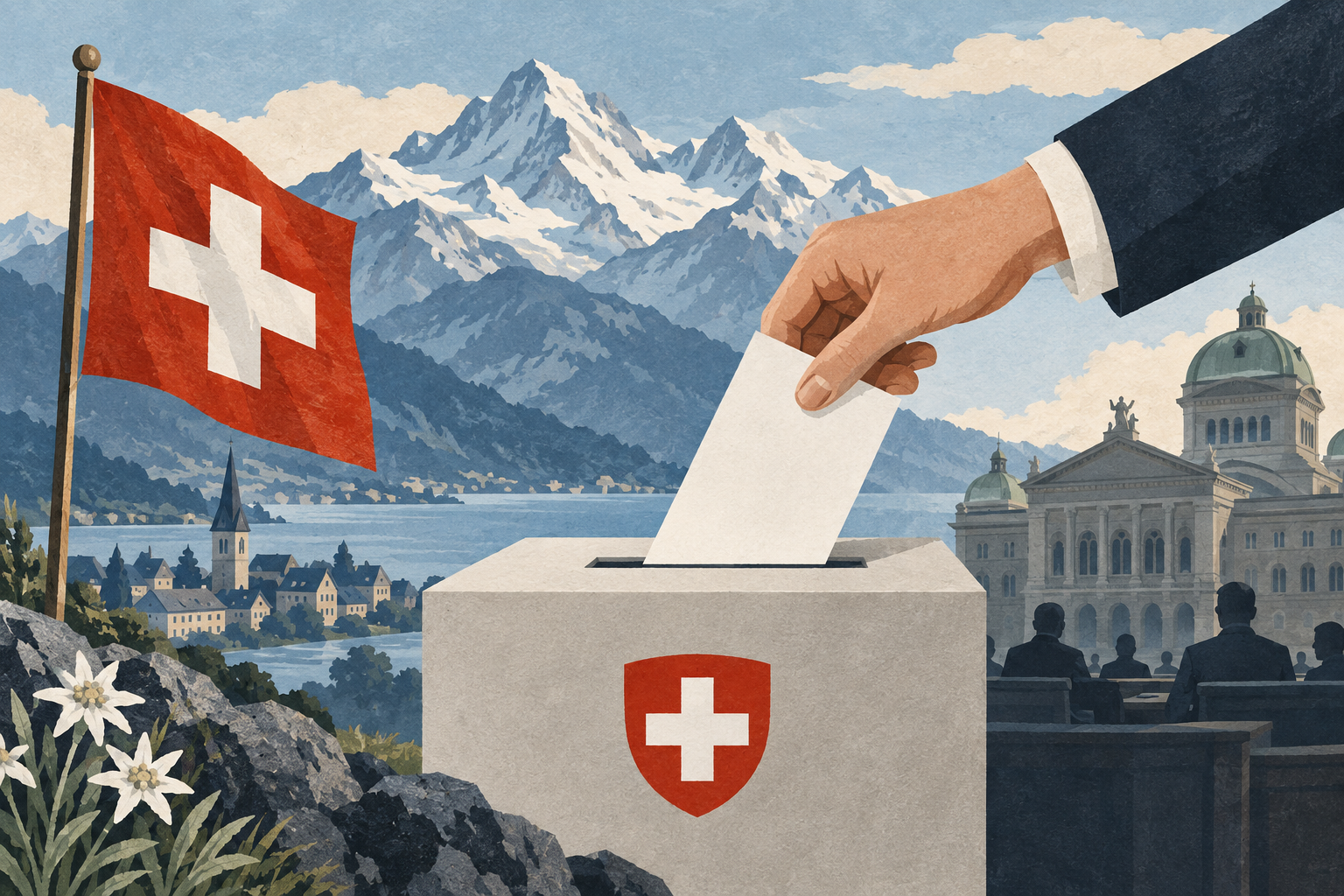
Swiss voters reject stricter neutrality rules, keeping room for sanctions and cooperation
28 September 2026


Magdalena Andersson has ended her attempt to form a government, exposing the gap between winning seats and building a team.
By Steve Carsley 29 September 2026
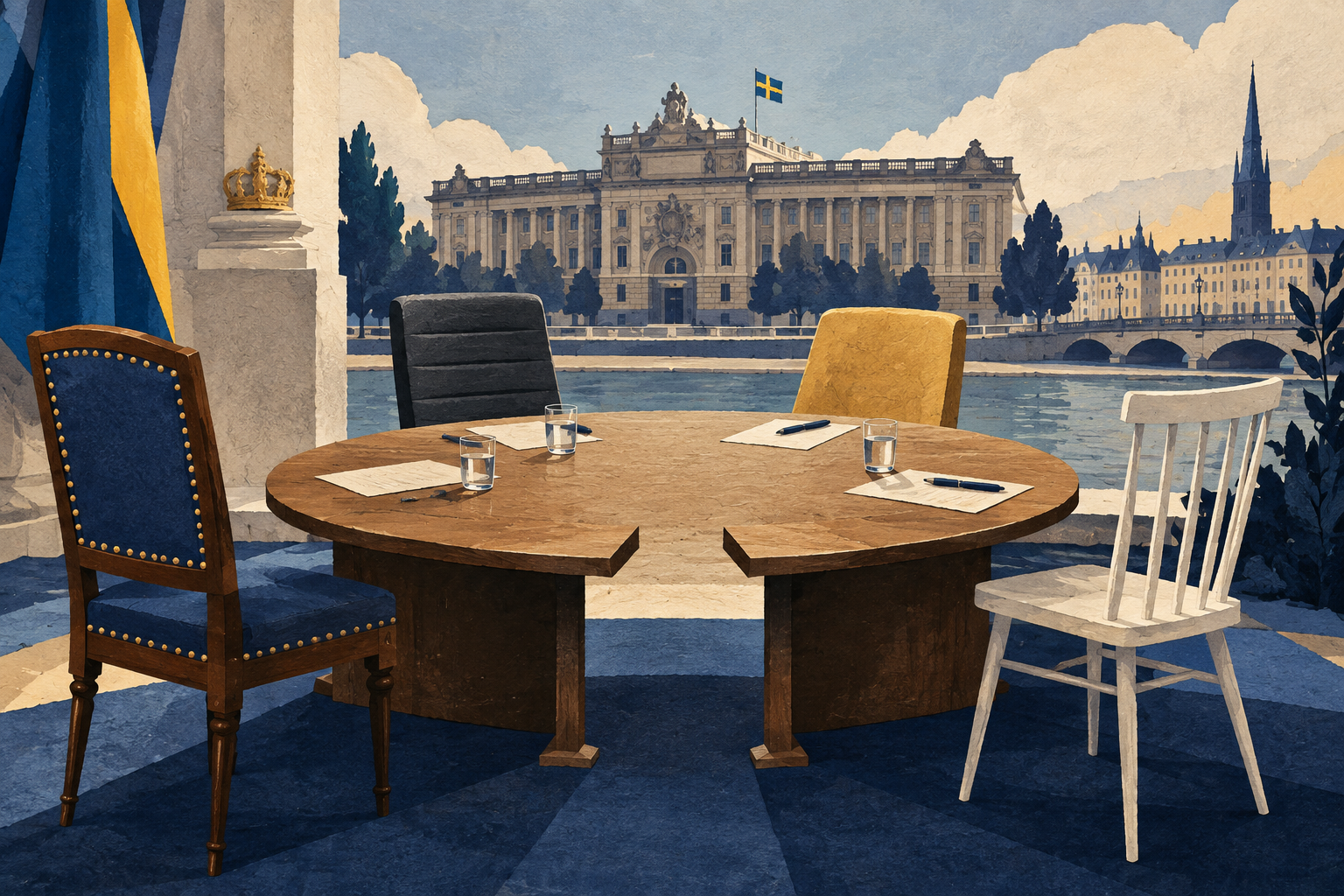
The numbers looked just enough. The agreement between the parties did not. Sweden's Social Democrat leader Magdalena Andersson ended her exploratory effort to form a government on September 28, leaving the country facing another round of political bargaining.
The Swedish parliament confirmed her decision after she reported back to Speaker Andreas Norlén. He had asked her on September 18 to explore whether a government could be formed. Parliament also elected Norlén speaker for the new parliamentary term on September 28.
After the September 13 election, the centre-left side held 176 seats against 173 for the right, according to Reuters' report. On paper, that gives the centre-left an advantage. In real life, those seats belong to separate parties with their own demands.
Andersson said she could not put together a government in the current circumstances. One flashpoint was the Left Party's support for the Moderate candidate in the contest for parliament's speaker. She said that move had damaged the basis for cooperation.
A vote for speaker is separate from a vote on who becomes prime minister. Still, it showed how fragile relations between possible partners had become. Parties that sit on the same broad side of an election map do not automatically trust each other.
Al Jazeera's account of the negotiations described another central problem: the Centre Party opposes a government that includes the Left Party, while the Left Party wants a place in government. The Centre Party also rejects governing with the Sweden Democrats.
That leaves potential leaders trying to solve two problems at once. They need a workable policy deal, and they need enough parties to accept the people who would carry it out. A small numerical advantage cannot settle either argument on its own.
Sweden's system adds a useful detail: a proposed prime minister does not need a majority to vote yes. They need to avoid a majority voting against them. Parties can therefore influence the result by deciding whether to support, oppose or tolerate a candidate.
Ulf Kristersson's administration continues in a caretaker role while the formation process goes on. Andersson ending this attempt does not mean Sweden's public institutions suddenly stop working, or that a replacement leader has already been chosen.
The next meaningful development is a workable route through parliament. For voters, the question has shifted from which side finished ahead to which combination can actually agree to govern.
Similar stories
28 September 2026

27 September 2026
26 September 2026