
Thousands join hands at the Kennedy Center as its future becomes a political fight
20 September 2026


The two leaders want closer ties. Turning that into everyday change is the next test.
By Steve Carsley 13 September 2026
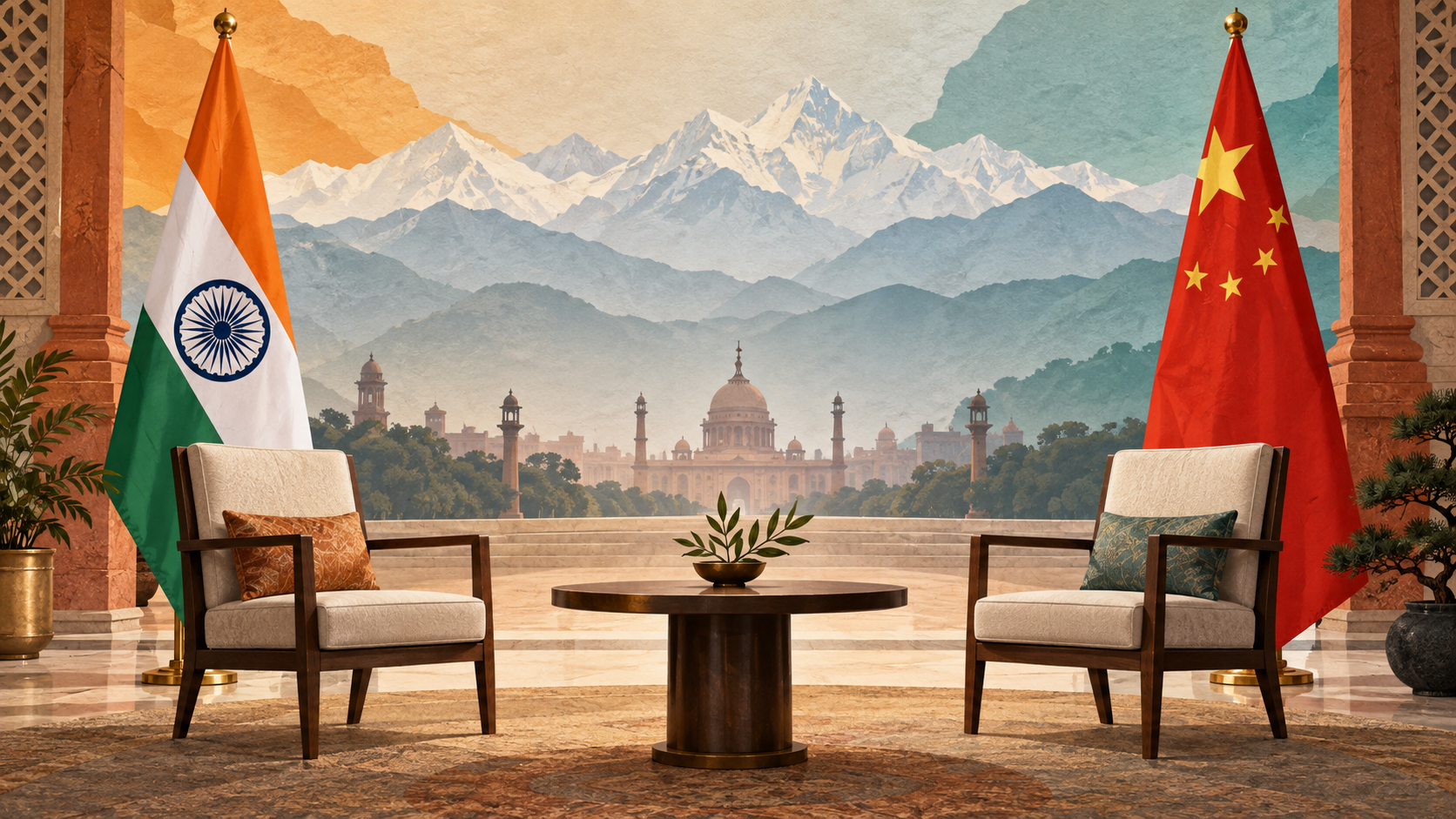
Two neighbours can have plenty to gain from getting along and still have serious problems to solve. That was the backdrop as Narendra Modi and Xi Jinping met in New Delhi on September 12, with business connections and easier movement between India and China on the agenda.
The meeting took place alongside the BRICS summit. Reuters reported that both leaders stressed stronger business links and greater mobility, as the countries continued rebuilding relations damaged by the deadly military clash on their disputed Himalayan border in 2020.
In China’s official account of the meeting, Xi called for more exchanges between people, cooperation on direct flights and a balanced approach to each country’s economic and trade concerns. He also called for progress on the boundary question while maintaining peace in border areas.
These are statements of direction. They do not mean every travel barrier has disappeared or that a border settlement has been signed. The distinction matters because a diplomatic announcement often tells us what leaders want officials to work on, rather than what a traveller or business can do differently the next morning.
AP described the talks as another effort to repair strained ties. It reported Xi’s argument that the two countries should support each other’s development, while noting the shadow cast by the border clash six years earlier.
For a student, entrepreneur or someone with family across borders, easier exchanges can sound more concrete than the language of global strategy. Travel, meetings and business relationships are made up of small practical steps. A political push can help those steps happen, but it needs to be followed by working arrangements.
For example, a promise to improve movement between countries is most useful when people can see the relevant routes, requirements and procedures. Until details are announced, it is sensible to read the promise as an intention rather than a ready-to-use benefit.
The border remains part of that wider relationship. China’s published account described maintaining calm there and developing bilateral ties as goals that should move forward together. That makes the next phase worth watching for practical follow-through, as well as warmer language.
A summit gives leaders time in the same room and a chance to set priorities. It does not complete the work for them. The useful question after Delhi is which of these priorities becomes a specific, visible change that people on either side can actually experience.
Similar stories