Thousands join hands at the Kennedy Center as its future becomes a political fight
20 September 2026


One year after the uprising, anniversary reporting puts medical support and accountability back in focus.
By Steve Carsley 8 September 2026
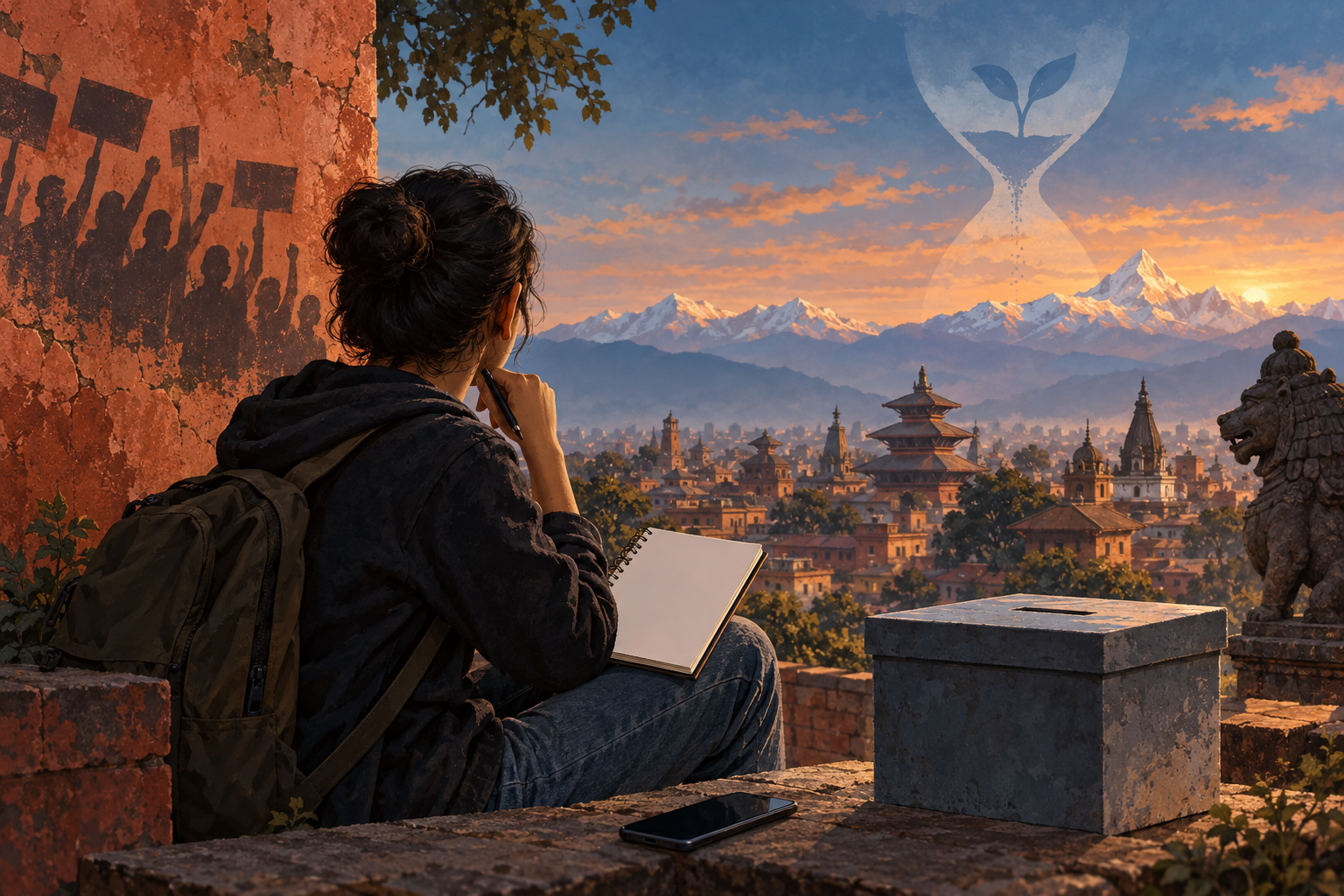
A new face in the prime minister's office can change the national mood. For someone still recovering from a protest injury, change has a more immediate meaning: treatment, support and answers.
That gap sits at the centre of anniversary reporting on Nepal's youth-led uprising. In a report published on Monday, The Kathmandu Post spoke to people affected by the September 2025 protests who said promises of help had not translated into the lives they expected. Their complaints concerned medical care, employment support and accountability. The Kathmandu Post's anniversary report.
The paper described a major political transition, with former Kathmandu mayor Balendra Shah becoming prime minister after an election. But some injured protesters told its reporters that a change of leadership had not resolved their own difficulties.
The immediate trigger in 2025 was the blocking of major social media platforms. AP's reporting at the time explained how demonstrations widened into anger over corruption and the advantages enjoyed by politically connected families. The unrest continued even after the ban was lifted, and then-prime minister KP Sharma Oli resigned. AP's account of the 2025 crisis.
That background matters because the movement's demands cannot be measured only by whether an app works again. Young people were also questioning how opportunity and power were distributed.
Amnesty International's December 2025 investigation said police used unnecessary and excessive force, including unlawful lethal force, against largely peaceful demonstrators during the first day in Kathmandu. The organisation based its findings on interviews and verified visual evidence, and called for independent investigations and fair accountability processes. Amnesty's findings and recommendations.
Amnesty also condemned violence against people and property during the wider unrest. Recognising abuses against demonstrators does not erase those incidents, and investigating one set of actions should not prevent scrutiny of another.
The Kathmandu Post reported that Home Minister Sudan Gurung had said investigators were gathering sufficient evidence. It also reported continuing frustration among survivors over the pace of the process and delivery of promised support.
The practical tests are specific. People should be able to understand what assistance is available, how to claim it and which office is responsible. Investigations should produce clear information while respecting the rights of everyone involved.
An anniversary can bring the cameras back, but attention alone cannot pay a medical bill or settle a case. The lasting question for Nepal's new leadership is whether political change becomes something citizens can experience beyond an election result.
Similar stories