
Thousands join hands at the Kennedy Center as its future becomes a political fight
20 September 2026


Thousands joined strikes and rallies, turning a workplace dispute into an election-season issue.
By Steve Carsley 10 September 2026
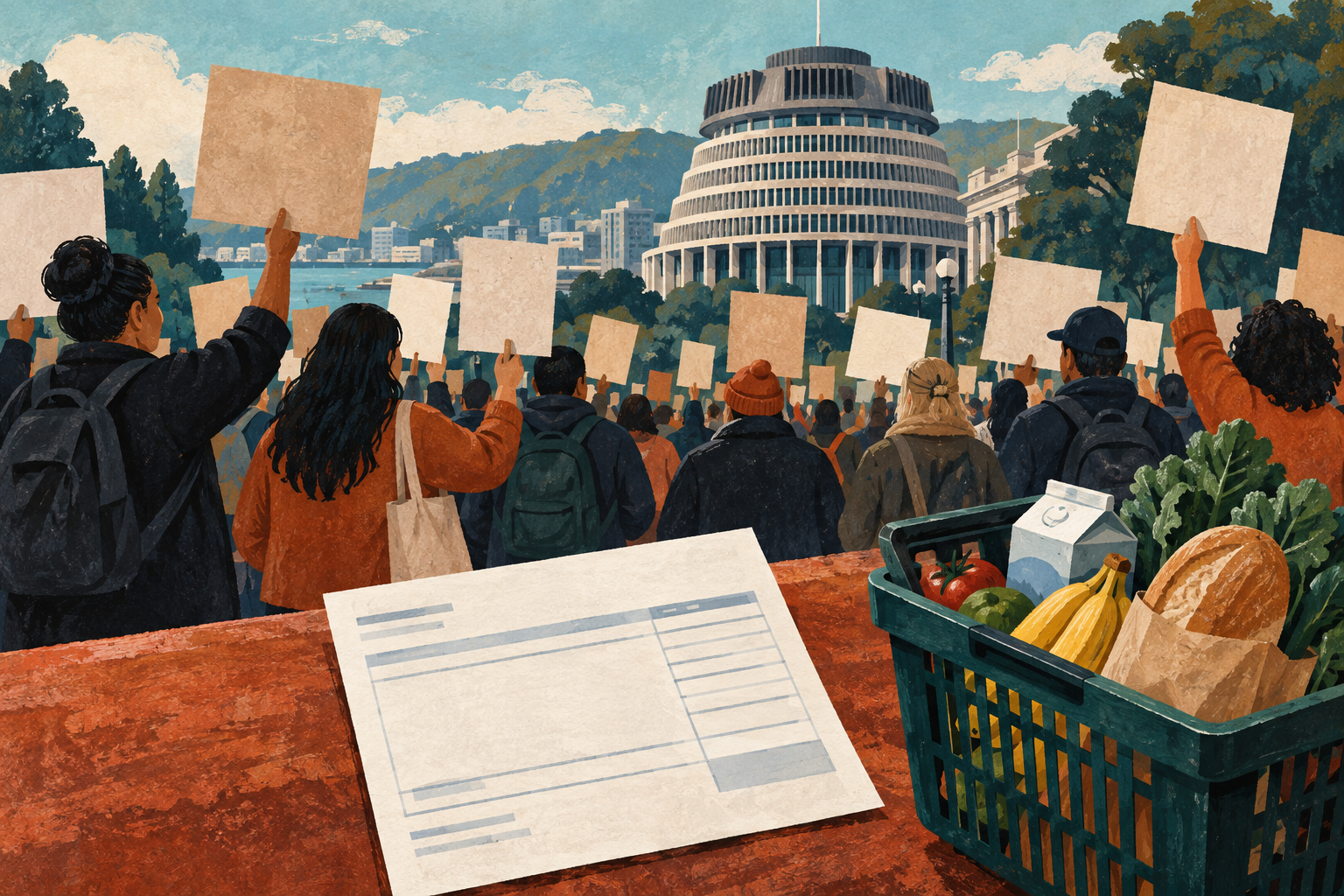
A salary can rise on paper while the weekly shopping budget still feels smaller. That frustration was at the centre of a nationwide walkout by New Zealand public servants on September 9.
Nearly 10,000 workers stopped work for several hours, Reuters reported, with protests around the country and hundreds gathering near Parliament in Wellington. The dispute put pay and pressure on public services in the spotlight ahead of the country's approaching election.
The Public Service Association's campaign page named workers from social development, business and employment, internal affairs, emergency management and ethnic communities agencies. These are offices that help run services people depend on, even when most of their work happens away from public view.
The union framed the action as a fight for both better pay and service delivery. That is the workers' case, rather than an agreed description of the dispute. Employers and ministers face questions about spending as well as what level of staffing those services need.
In RNZ's reporting, republished by the Otago Daily Times, PSA national secretary Duane Leo called the strike a last resort. He said the pay offer was below the 4.1 percent inflation figure he cited, and argued that members should not lose purchasing power.
Purchasing power simply means what your money can buy. If prices rise faster than your wages, the same amount of work pays for less food, transport or other essentials. A larger number on the payslip does not automatically mean life gets easier.
Prime Minister Christopher Luxon had argued the previous week that public servants should be working or negotiating around the table, RNZ reported. That captures the disagreement over tactics: workers say stopping work creates pressure, while the government's response favours continued work and talks.
Te Ao Māori News also reported concerns among Māori public servants following job losses and restructuring. Its coverage showed that the dispute reaches beyond the latest pay offer into worries about which skills and services remain inside government.
For younger workers, the wider issue is familiar: can a job offer stability if pay falls behind costs and the workplace keeps changing? For people using public services, the question is whether the staff helping them have enough time and support to do the job.
The walkout does not itself settle the bargaining. It makes the disagreement harder to ignore. What matters next is whether negotiations produce an offer workers can accept and a clear account of how services will be delivered.
Similar stories