
Gemini accessed three real companies during a test, Google says
20 September 2026


Maxton Hall is the first test for visual dubbing that combines human voices with AI and effects.
By Steve Carsley 11 September 2026
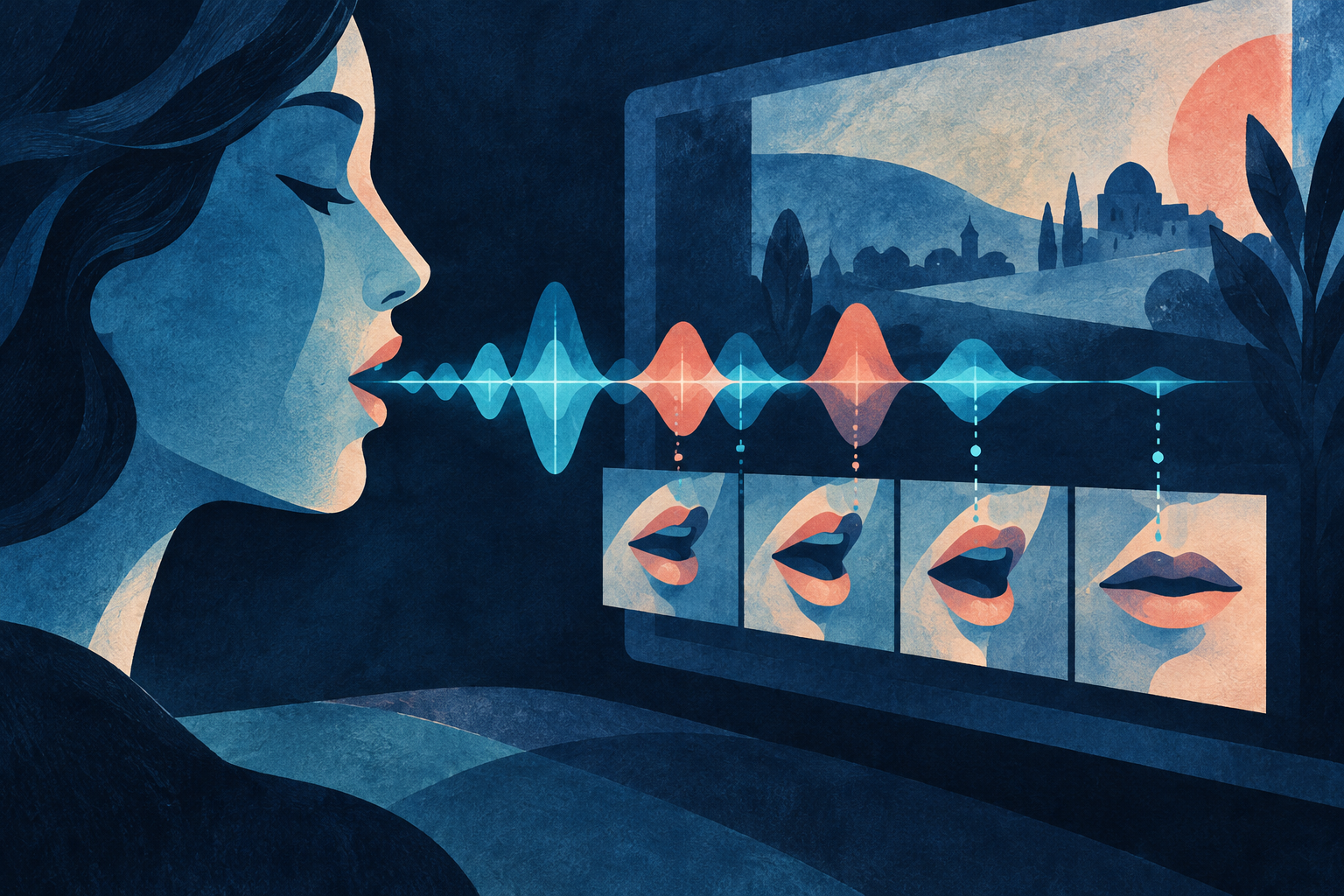
Watching a translated show can sometimes feel like the voice and the face are having separate conversations. Prime Video is trying to close that gap by digitally adjusting actors' lip movements to match dubbed dialogue.
The feature begins with the English versions of the first two seasons of the German series Maxton Hall. In its official announcement, Amazon says the process uses artificial intelligence and visual effects alongside audio recorded by human performers.
That distinction matters. This announcement is about changing the visible mouth movements to fit an existing human dub. It should not be confused with an announcement that the show's English voice actors have been replaced by synthetic voices.
The idea is straightforward: when a translated sentence has different sounds or timing, the screen performance is adjusted to line up more closely. Whether that feels natural is something viewers will judge in the finished scenes, not something a launch announcement can settle for them.
Advanced Television's September 10 coverage reported that the English lip-sync dubs are available globally for seasons one and two. It also said the feature is planned for the third and final season, scheduled for December 9.
For fans, that makes the rollout unusually visible. It is being applied to an existing series, so the discussion is about a changed viewing experience, rather than just a technology demo with a carefully selected clip.
Amazon says the work happens under creative oversight and is intended to help stories reach a wider audience. That is the company's stated aim. The announcement does not establish how every actor or viewer feels about digitally changing part of a performance.
TechSpot noted on September 10 that Amazon had not named the specific AI technology behind the feature or explained how much of the process is automated. The company also had not identified the next programmes that would receive it.
Those gaps leave useful questions. How well does the result hold up in a close-up? Does it remain convincing when a face turns? What choices will audiences have as the technology spreads? The rollout itself does not answer all of them.
Dubbing already asks viewers to accept one person's voice coming from another person's performance. Visual dubbing adds another layer by changing what appears on screen. Some may find that less distracting; others may prefer the original performance with subtitles.
For now, Maxton Hall is the test case. The important shift is that translation is reaching beyond the soundtrack and into the image itself. Even a small movement of the mouth can become a big conversation about how we watch television.
Similar stories
20 September 2026

19 September 2026

18 September 2026