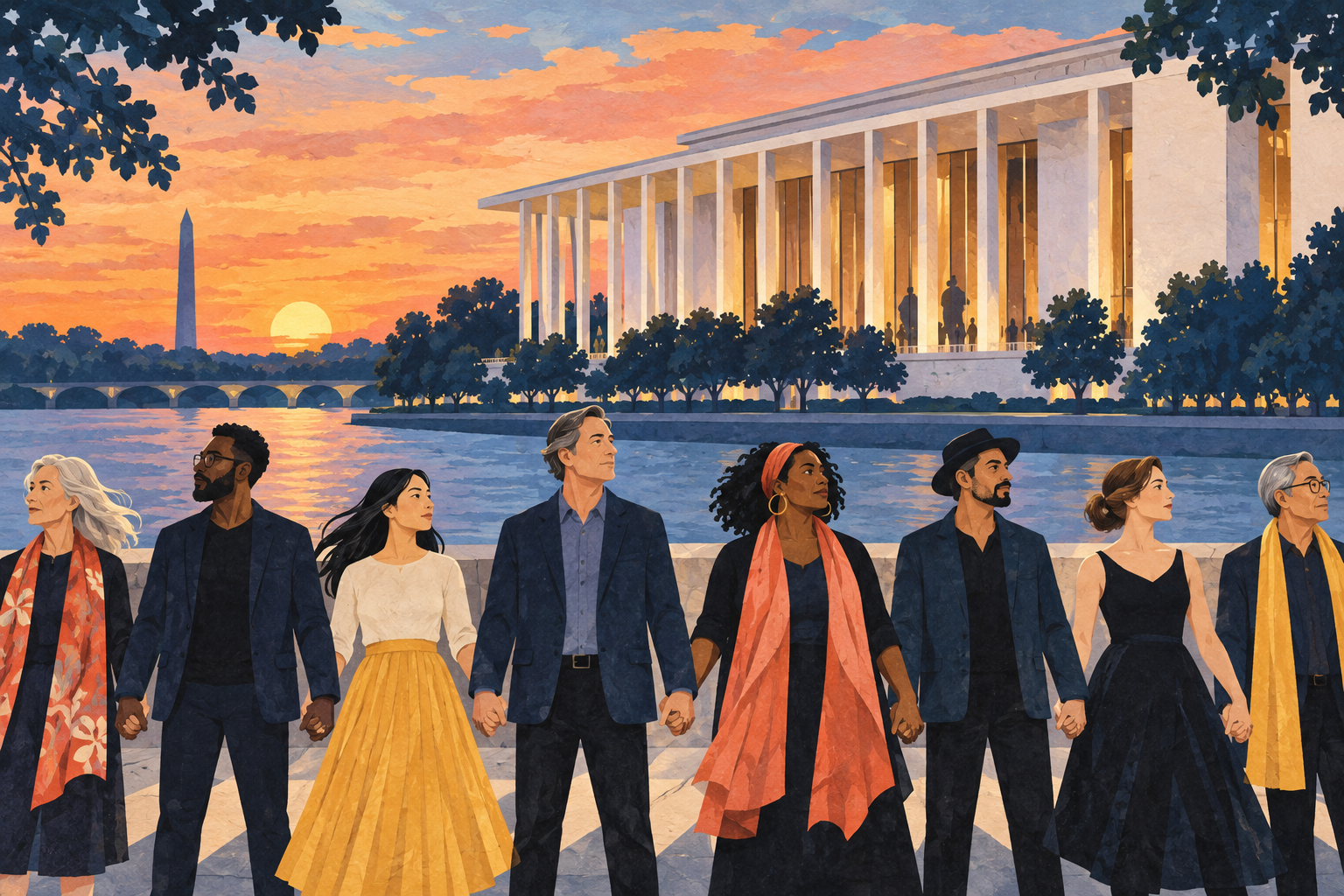
Thousands join hands at the Kennedy Center as its future becomes a political fight
20 September 2026


An emergency ruling leaves the block in place as US election officials prepare for the midterms.
By Steve Carsley 16 September 2026
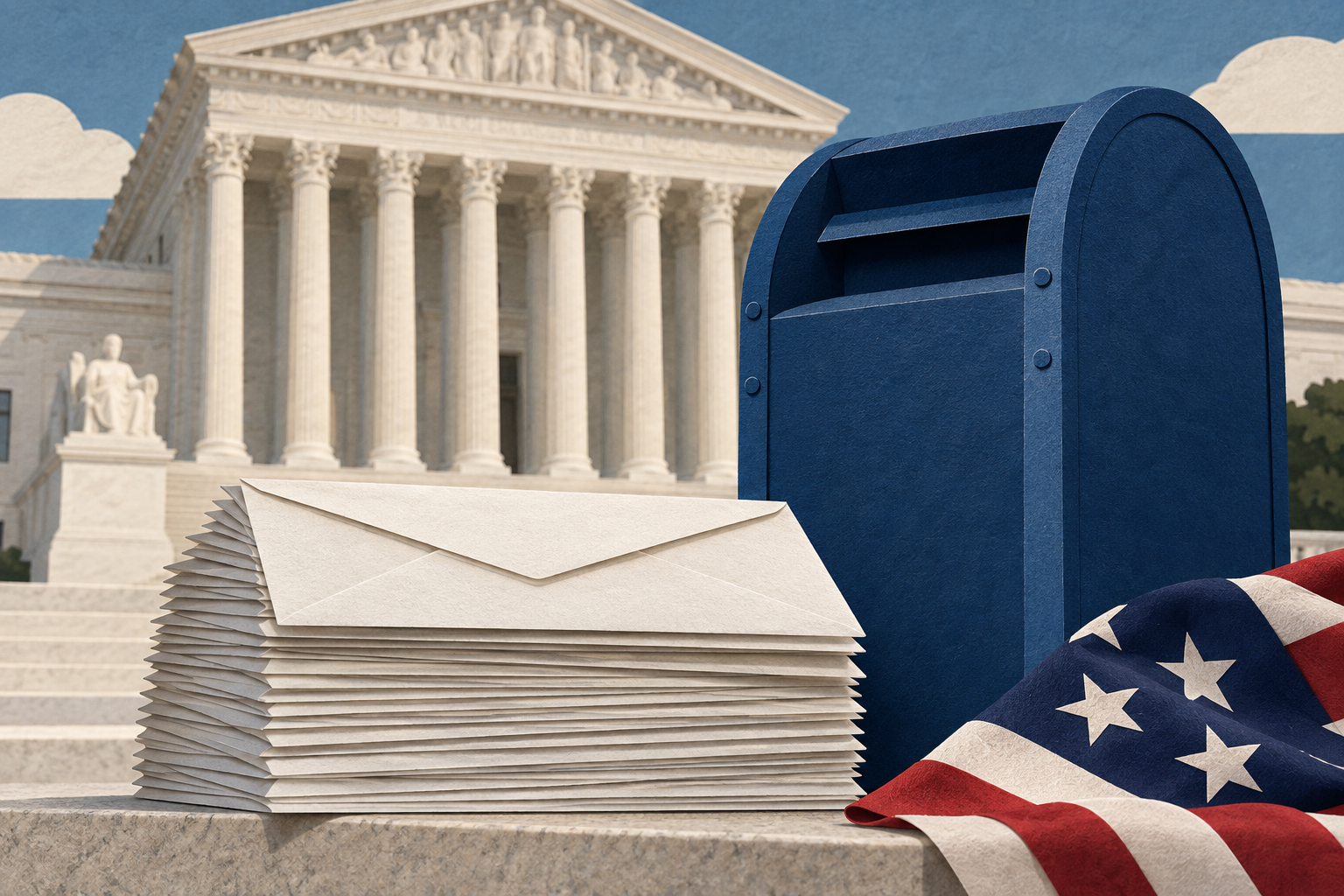
An election is not only about speeches and polling numbers. Sometimes, the argument comes down to an envelope, a barcode and whether officials have enough time to change how millions of ballots move.
The US Supreme Court has refused to let the Trump administration enforce a new Postal Service rule on election mail while a lower-court block remains in place. The ruling came on Monday evening in Washington, early Tuesday in India.
In its published order, the court said the government was unlikely to succeed in challenging the preliminary injunction. It also said the conditions for emergency relief did not favour the government’s request.
The rule would have required approved ballot-envelope designs, special barcodes and voter information uploaded by states to a Postal Service portal. Mailings that did not meet the requirements could be returned to the state.
That would add a federal checking process to an election system already operating to tight deadlines. Designing an envelope sounds simple until it must work across printing contracts, postal equipment, local databases and the timetable for sending ballots to voters.
Roll Call reported the administration’s argument that the Postal Service has authority to regulate items sent through the mail, including election materials. States challenging the change argued that it exceeded federal authority and could prevent lawful voters from receiving or casting ballots.
Those competing arguments are about both legal power and practical consequences. A policy can look tidy on paper while creating a very different workload for the people expected to carry it out.
Justice Brett Kavanaugh agreed that the government’s request should be denied, but wrote separately. He considered it possible that the Postal Service had the necessary authority, while saying election officials lacked enough time to reasonably implement the rule for 2026.
Justices Samuel Alito and Clarence Thomas dissented. The result leaves the restriction blocked; it does not amount to a final decision on every legal question surrounding mail voting.
AP described the decision as a setback for the administration ahead of the midterms, with voting already underway. Its immediate importance is that the proposed overhaul cannot proceed under the emergency request the court rejected.
For people following their first election, there are two separate stories here: what a government wants to change and what courts will allow it to change before voters act. The deadline matters because election administration cannot simply pause while the legal debate continues.
The decision keeps the existing block in place at a critical point in the calendar. The wider dispute over who controls election procedures continues beyond this one order.
Similar stories