
Thousands join hands at the Kennedy Center as its future becomes a political fight
20 September 2026


The package links Arctic diplomacy with internet access, energy and opportunities for local communities.
By Steve Carsley 9 September 2026
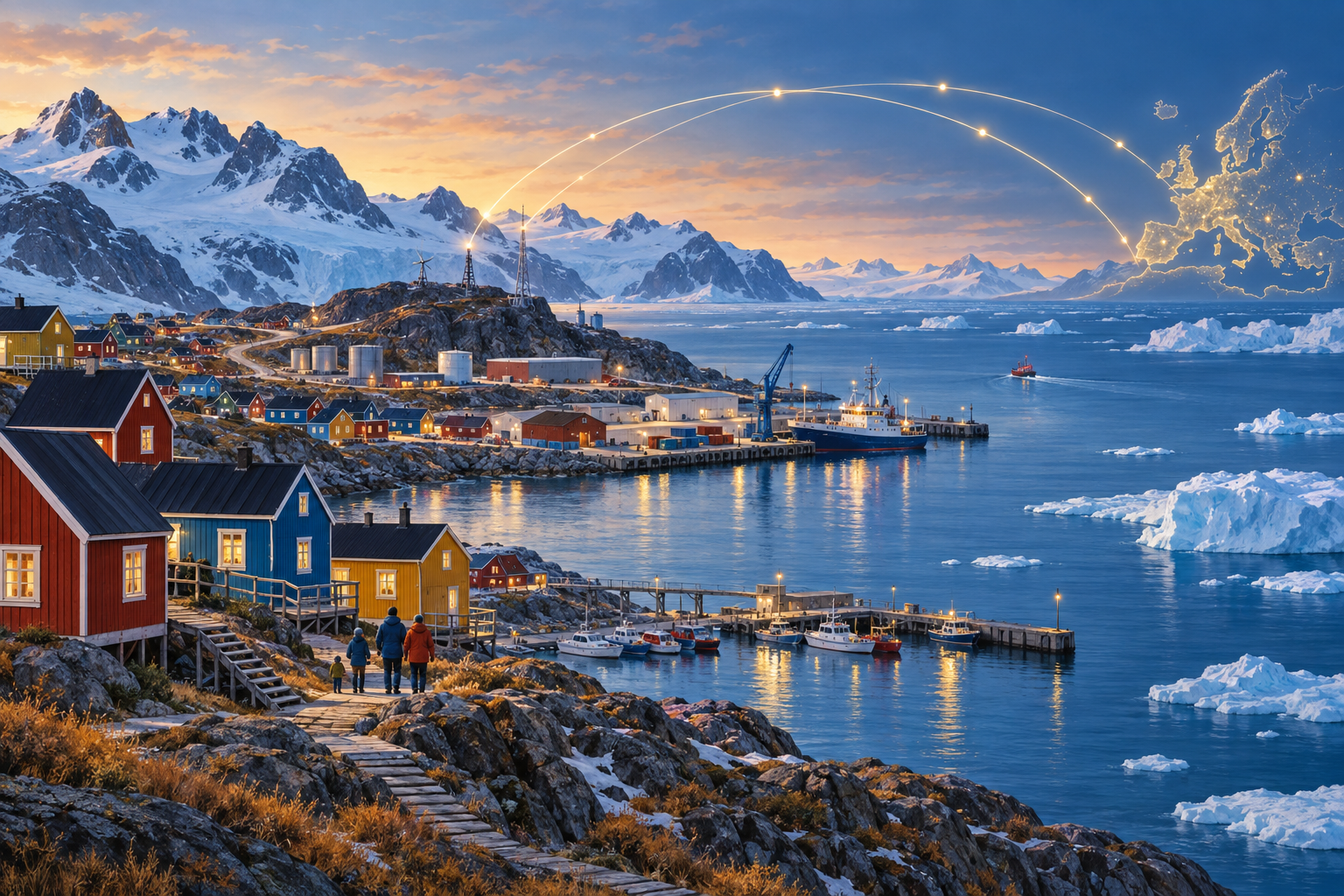
A debate about a place can become so focused on maps and powerful countries that the people living there almost disappear from view.
The European Union's new Greenland partnership brings some everyday needs back into the picture. The European Commission has announced a €200 million package supporting areas including connectivity, sustainable energy and critical raw materials, building on existing cooperation in education and fisheries. The Commission's partnership factsheet.
The announcement accompanied Commission President Ursula von der Leyen's visit to Nuuk on Monday. AP reported that it came as the EU sought to reassure Greenland following repeated threats by US President Donald Trump to take control of the island. AP's account of the diplomatic context.
The Commission describes the package as part of a stronger partnership responding to Greenland's priorities. Its focus includes infrastructure and economic opportunities, alongside the relationship's longer-standing work in education and fisheries.
In practical terms, connectivity is about the links that let people communicate and use online services. Energy projects concern how communities and businesses obtain power. These may sound less dramatic than a territorial dispute, but they shape what daily life and local development can look like.
A student joining an online class or a small business reaching a customer does not experience infrastructure as a diplomatic slogan. They experience whether the connection works and whether the service is affordable and reliable.
Le Monde's Tuesday reporting described the commitment as €200 million for 2026 and 2027. It also placed the visit within the wider debate over Greenland's future, reporting von der Leyen's position that decisions belong to Greenland and Denmark. Le Monde's coverage.
That makes the package both a development commitment and a diplomatic signal. Offering support can demonstrate a relationship in concrete terms, but an investment announcement does not transfer authority over the people or place receiving it.
The useful questions are therefore about delivery and local priorities. Which projects move first? Who benefits from them? How will residents and businesses see the results?
Announced funding is an important step, but it should not be mistaken for every project being finished. Plans still have to become working services and facilities.
For readers far from the Arctic, this is a reminder that international politics also runs through ordinary things: communications, education, energy and jobs. The package will be judged partly by its diplomatic meaning, and partly by what it makes possible for people in Greenland.
The headline figure is large. The most useful evidence will be the smaller, visible changes that follow.
Similar stories