Thousands join hands at the Kennedy Center as its future becomes a political fight
20 September 2026

Von der Leyen proposes associate membership, but the offer does not make Canada an EU member.
By Steve Carsley 17 September 2026
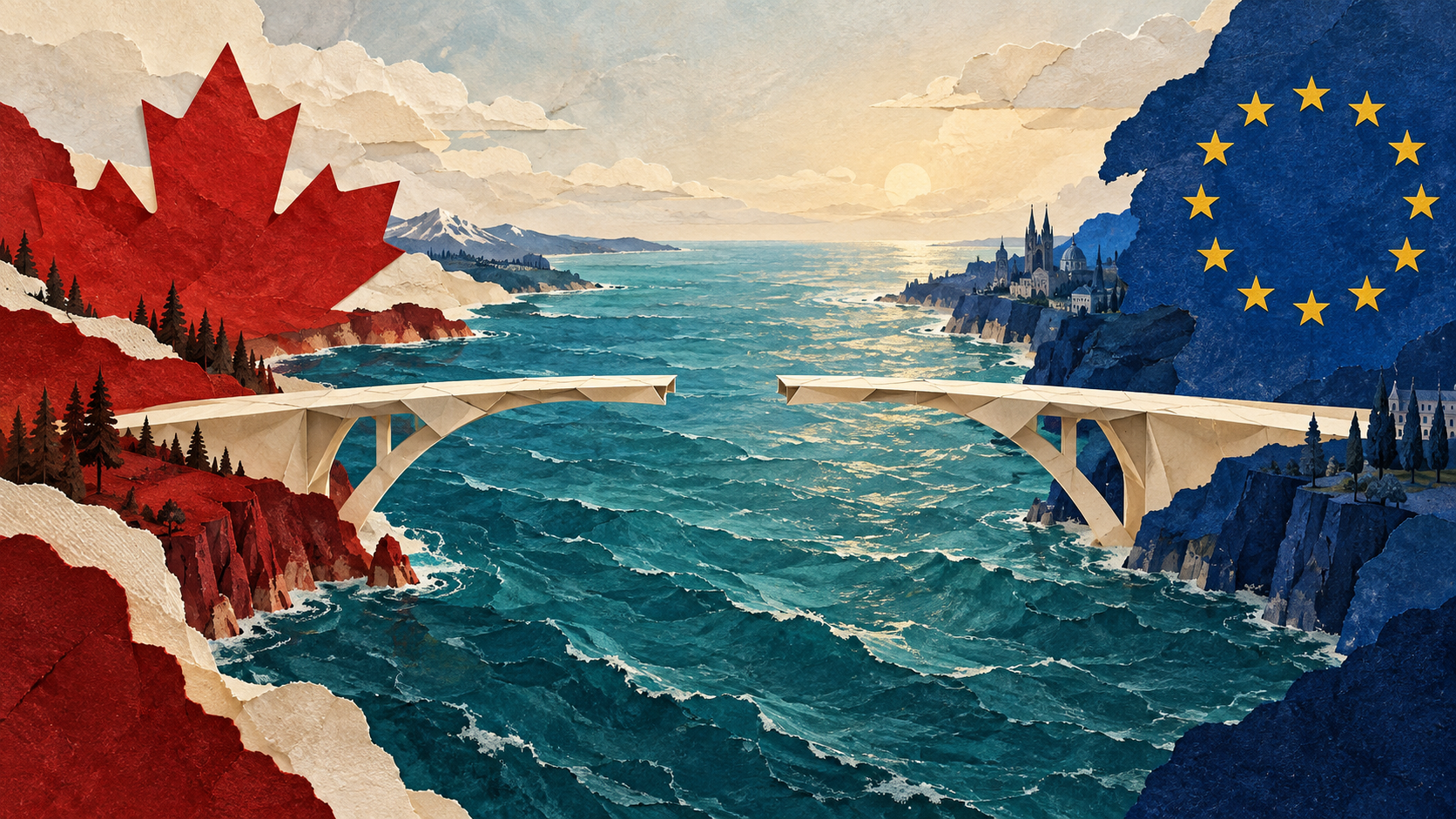
Canada is a long way from Europe on a map. Politically, the distance may be getting smaller.
European Commission President Ursula von der Leyen used her September 16 address in Strasbourg to propose that Canada become the European Union’s first associate member. Canadian Prime Minister Mark Carney was in the room. It was a striking invitation, and one that immediately raised a very reasonable question: what does that actually mean?
The answer is still being worked out. Canada has not joined the EU. Nobody announced a finished agreement with a ready-made list of rights and responsibilities.
The European Commission’s account of the speech presents the proposal as a way to increase cooperation between Canada and Europe. It says the announcement received applause in the chamber and could open a path to similar relationships with other countries.
But a warm welcome is only the beginning. As Le Monde explains, this particular status has no existing legal basis. The arrangement would have to be invented. The title sounds official; the rulebook is still missing.
That matters for anyone imagining instant changes to studying, working or doing business abroad. The announcement alone does not settle those questions. People will need to see the actual terms before knowing what changes for them.
According to DW’s reporting, Canada and the EU are seeking stronger partnerships as trade disputes and international tensions put pressure on familiar relationships. Von der Leyen pointed to shared interests in artificial intelligence, climate, the Arctic, defence and supply chains.
Carney had earlier described his goal as a unique alliance with the EU, rather than membership. That difference in wording is useful. Both sides can want closer ties while still having work to do on the shape of the relationship.
For younger readers, the story reaches beyond diplomatic speeches. Decisions about technology cooperation, research and trade can influence the jobs people train for and the businesses they build. Those are possible stakes of a future deal, not benefits that have already been delivered.
The practical questions now are straightforward. Which areas would be covered? What commitments would each side accept? How would the new arrangement fit with the EU’s existing rules?
Until those answers arrive, the proposal is best understood as an ambitious political opening. Canada and Europe have signalled that they want to become closer. Turning that signal into something people can use will take much more than a new label.
Similar stories