
Bangkok’s floodwater is receding in some districts, but recovery has a long to-do list
5 October 2026


Emergency reserves will be released over four months, with diesel arriving first as governments try to calm strained energy markets.
By Steve Carsley 5 October 2026
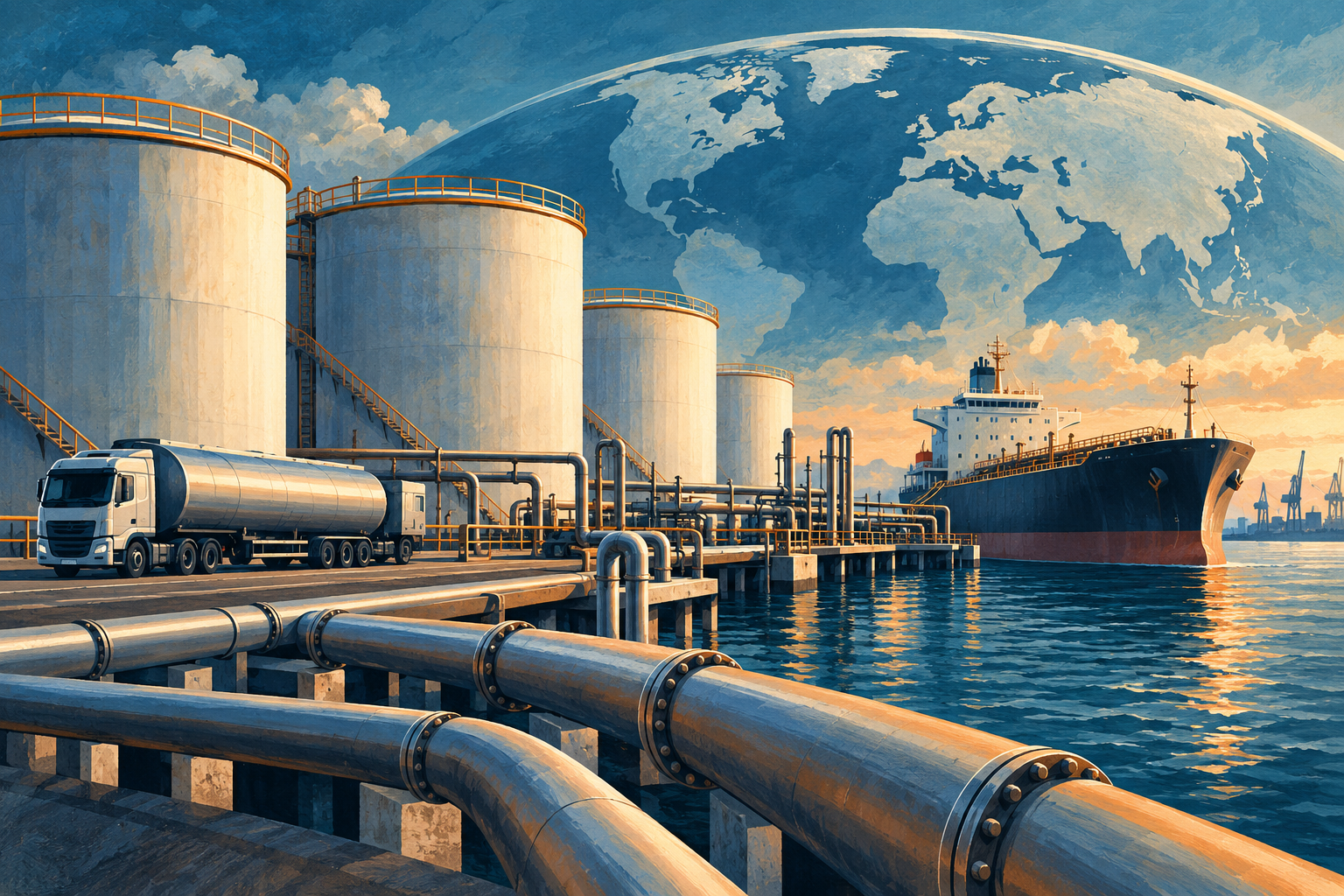
You do not need to own a diesel vehicle to care about diesel prices. Trucks move goods, farms use fuel, and transport costs can work their way into everyday spending. That is why a decision about emergency oil stocks can matter well beyond a petrol station.
G7 leaders agreed on October 2 to coordinate the release of 100 million barrels of oil and fuel products through the International Energy Agency. The decision drew continued international coverage on October 3 as governments tried to ease pressure on energy supplies and prices.
The leaders' joint statement sets a four-month period, with a substantial diesel release in the first 20 days. It also calls for better coordination of refinery maintenance and higher output where feasible.
The distinction matters. Crude oil is a raw material. Diesel is a finished fuel. Releasing crude does not instantly create usable diesel; refineries and delivery networks still have work to do.
The G7 also pledged to avoid energy export restrictions between its members. In a supply squeeze, moving fuel to where it is needed is part of the response, alongside making more available.
Reuters reported that the agreement followed US pressure on European governments to release diesel inventories. Washington had raised the possibility of restricting US diesel exports, a worrying prospect for Europe as its reliance on those supplies increased.
President Donald Trump subsequently said the United States would not impose that ban. The Associated Press described the announcement against a backdrop of high US diesel prices and pressure on farmers, truckers and consumers.
There is an important limit to the headline number. Reuters reported that the statement did not specify the country-by-country contributions or the exact mix of crude and refined products. It was also unclear how much would count towards commitments made earlier in the year.
The IEA said about 325 million barrels had already been released from the 400 million pledged in March. Its director, Fatih Birol, told the leaders that the Strait of Hormuz crisis continued to put acute pressure on energy markets, especially diesel.
Emergency stocks offer a buffer while normal supply is disrupted. They do not, by themselves, settle the conflict or remove every transport bottleneck behind the shortage.
For households, the useful measure will be what happens to actual fuel bills and delivery costs. The announcement sets out an attempt to bring relief. It does not promise a particular saving, or a date when everyone's local pump price will fall.
Similar stories