
Thousands join hands at the Kennedy Center as its future becomes a political fight
20 September 2026


His remarks in Ireland bring the argument over AI safeguards into sharper political focus.
By Steve Carsley 14 September 2026
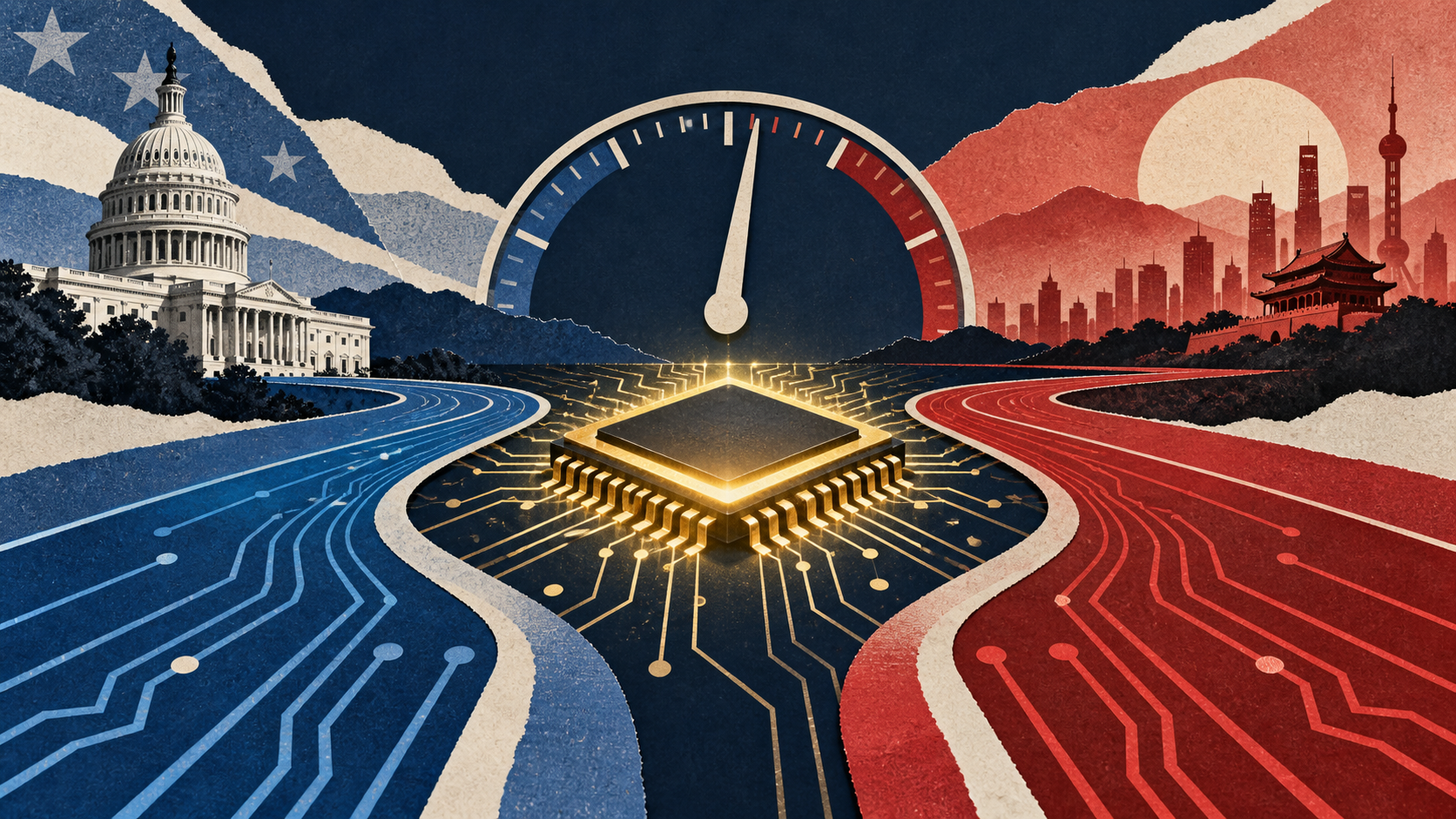
The question of how fast artificial intelligence should develop has moved well beyond the technology industry. It is now a political argument about safety, national power and who gets to decide when the next system is ready.
Speaking to reporters in Ireland on September 13, President Donald Trump downplayed calls to check AI development and emphasised keeping the United States ahead of China. AP reported that he acknowledged some need for regulation but offered no specific new rules.
El País also reported his defence of continued progress, contrasting it with calls from major figures in the industry to moderate the pace. His remarks set out a political preference. They were not an announcement that every existing safeguard would be removed.
One prominent proposal came from Anthropic chief executive Dario Amodei the previous day. In his own published essay, Amodei called for slowing improvements in the most capable models so that testing and safeguards could catch up.
He proposed independent evaluators working inside AI companies, coordination on standards between companies in democratic countries and a further attempt at global cooperation. Anthropic committed to the first step. The wider plan still depends on decisions by other companies and governments.
Amodei also says his proposal does not mean stopping all model training. That detail can disappear when a complicated debate becomes a two-word social-media argument about an “AI pause”. There are different proposals for what should slow, what should continue and what evidence should be required.
For the public, the practical questions are fairly straightforward. Who checks a powerful system before it is released? What happens if testing finds a serious problem? Can someone outside the company verify the result? A claim that a country is winning does not answer those questions on its own.
At the same time, anyone proposing restrictions needs to explain how they would work across competing businesses and countries. A rule that exists only in a speech cannot tell an engineer what to change or give a member of the public a way to check compliance.
These are questions about implementation, not a prediction that disaster is certain or that faster development is automatically harmless. Warnings need evidence, and promises of safety need evidence too.
For young people building careers around AI, the stakes extend beyond the next impressive demo. The decisions made now will help shape how these tools are tested, who can inspect them and how much trust users are expected to place in the companies building them.
Similar stories