
Gemini accessed three real companies during a test, Google says
20 September 2026


The robotaxi company’s Southeast Asia move starts with people behind the wheel and safety approvals still ahead.
By Steve Carsley 19 September 2026
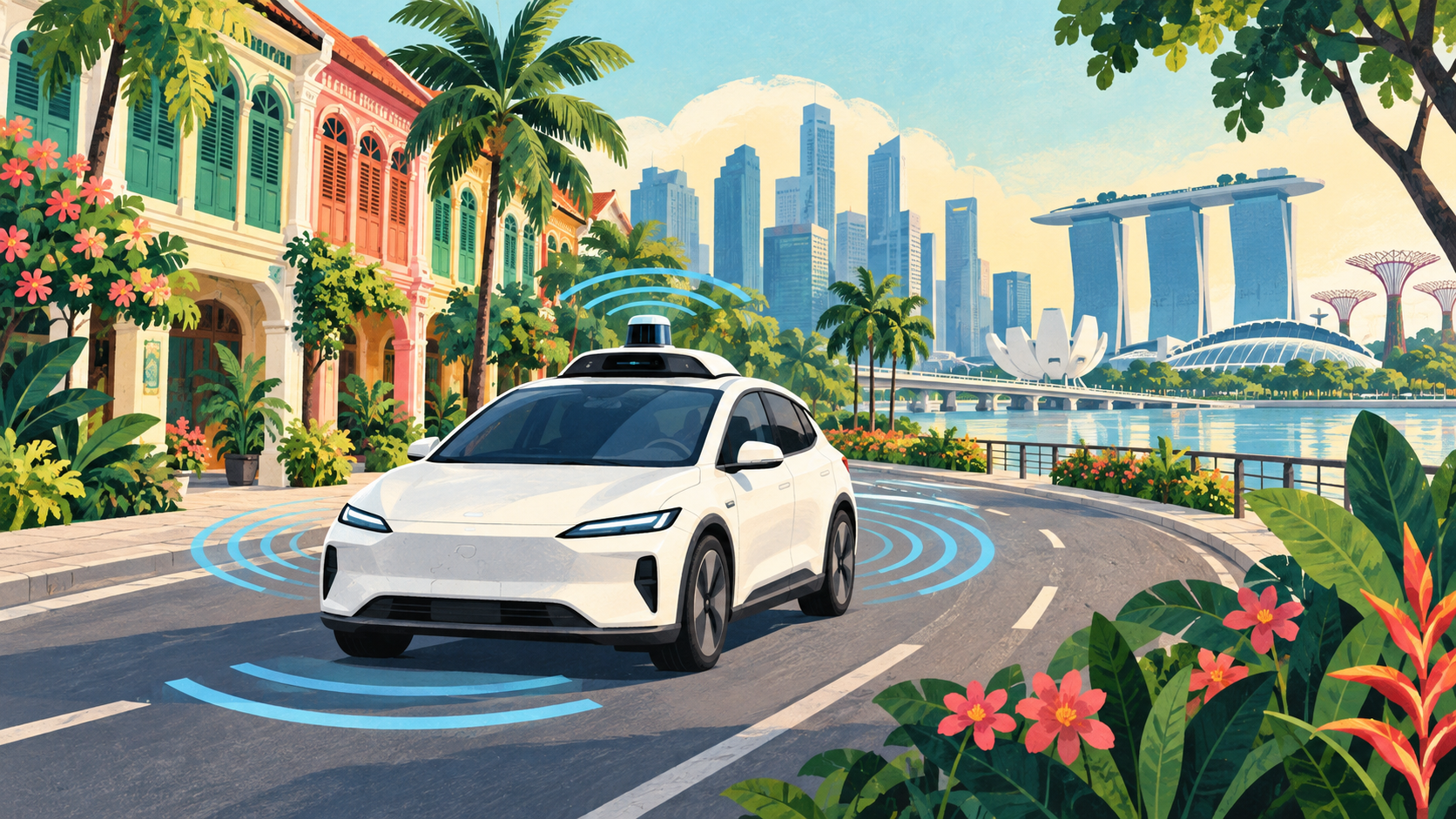
Your future ride home in Singapore might arrive without a driver. First, though, the cars need to learn the roads, get tested and convince the people who set the rules.
Waymo announced plans on September 18 to introduce a fully autonomous, electric ride-hailing service in Singapore in 2028. The Alphabet-owned company is entering Southeast Asia, but this is a rollout plan, not a service you can book today.
Singapore’s Land Transport Authority announcement says vehicles are expected in the coming months. Initial manual driving is planned for 2027, before the targeted commercial launch the following year.
Yes, manual driving. An autonomous car arriving in a new country does not immediately become a driverless taxi. Early work includes understanding the streets and preparing the system for local conditions.
In Waymo’s own rollout outline, the first fleet consists of electric Jaguar I-PACE vehicles. Trained specialists will help adapt the system to Singapore’s road layouts and monsoon weather. The intended public service would be booked through the Waymo app.
Waymo’s local information page also describes a staged approach: manual driving first, then autonomous driving with a specialist behind the wheel, and eventually fully autonomous operations. Each stage is different. A testing car on the street is not evidence that the final stage has already been approved.
CNA reports that preparation will begin in western Singapore, starting around Labrador and Harbourfront. Transport Minister Jeffrey Siow said autonomous vehicles could add capacity and serve gaps, including journeys after public transport stops running or places drivers are reluctant to visit.
He also said trains and buses remain the most efficient, affordable and environmentally friendly way to travel around Singapore. The pitch is another transport option alongside them.
The Straits Times independently reported the September 18 announcement and 2028 target.
The LTA says deployments must meet safety and regulatory requirements. It also promises that the rollout will not move faster than the country’s ability to retrain and support affected drivers.
That matters because a driverless car is still part of a transport system involving people, jobs and public trust. The official plan includes helping willing drivers move into new roles as the sector grows.
For passengers, the appeal is easy to imagine. The practical test will be whether the service is safe, useful and dependable on an ordinary day. A launch announcement can set the destination. Getting there takes more than typing an address into an app.
Similar stories
20 September 2026

18 September 2026

17 September 2026