World Maritime Day puts the people behind global deliveries in the spotlight
25 September 2026


New UN data shows the crisis spreading beyond the capital while hurricane-season risks add another threat.
By Steve Carsley 26 September 2026
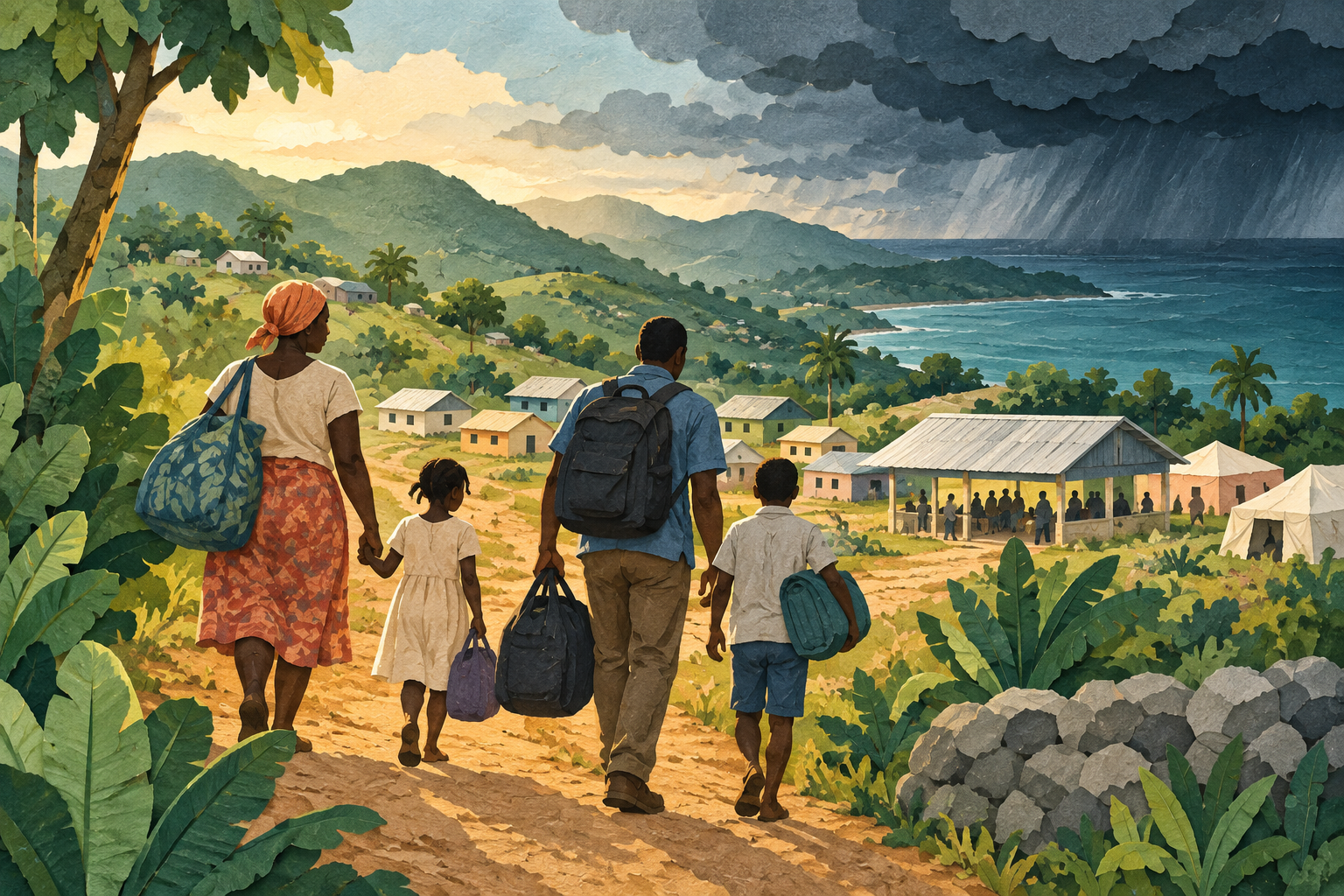
Leaving home is supposed to take you somewhere safer. For families fleeing violence in Haiti, that next safe place is becoming harder to find.
Nearly 1.5 million people are internally displaced across the country, according to new International Organization for Migration data reported by Reuters on September 25. Internally displaced means people have been forced from their homes but remain inside their own country.
Nearly 80 percent are now outside Port-au-Prince, the capital. The shift matters because the emergency cannot be understood by looking only at the city that has dominated international headlines.
The IOM said displacement increased in Artibonite between May and August. The department had previously offered refuge to people escaping violence elsewhere. When a place of refuge becomes dangerous too, families lose another option.
Near the capital, attacks in Kenscoff displaced more than 4,000 people, the agency reported. It described burned homes, kidnappings and killings.
Hundreds of thousands are living in informal settlements, shared sites or other insecure conditions. The IOM warned that a major storm during the Atlantic hurricane season could create another humanitarian emergency for people already uprooted by violence.
This is a warning about vulnerability, not a claim that a particular hurricane has already struck these communities. The danger lies in facing severe weather without a secure place to stay.
Displacement also reaches beyond the immediate search for a roof. School, work and family routines become difficult to rebuild when nobody knows how long the next move will last.
In a separate Caribbean Media Corporation report carried by CBC, Haiti's prime minister, Alix Didier Fils-Aimé, said people wanted security so they could return to work, send children to school and choose their leaders.
Speaking at a UN meeting on September 24, he called for stronger action against illegal weapons and stressed the importance of Haitian institutions. The report put the broader number of people needing humanitarian assistance at about 6.4 million.
That is a different measure from displacement. Someone can urgently need food, protection or other help without having left home.
Human Rights Watch also raised concerns on September 25 about Haitians deported from the United States. Its researchers interviewed 44 deportees in Cap-Haïtien in late August. The organisation said returnees faced serious insecurity and inadequate support after arrival.
Those interviews concern a separate group and should not be treated as a count of all displaced families. They do, however, show another way people can find themselves searching for safety with few practical options.
The figures describe the scale. The human need is more basic: a place to sleep safely, a way to earn a living, and a chance for children to continue growing up.
Similar stories