
Hurricane Polo's rainbands reach Mexico as an offshore storm brings danger ashore
24 September 2026


The UN says protecting seafarers and putting shipping rules into practice matter as conflict disrupts trade.
By Steve Carsley 25 September 2026
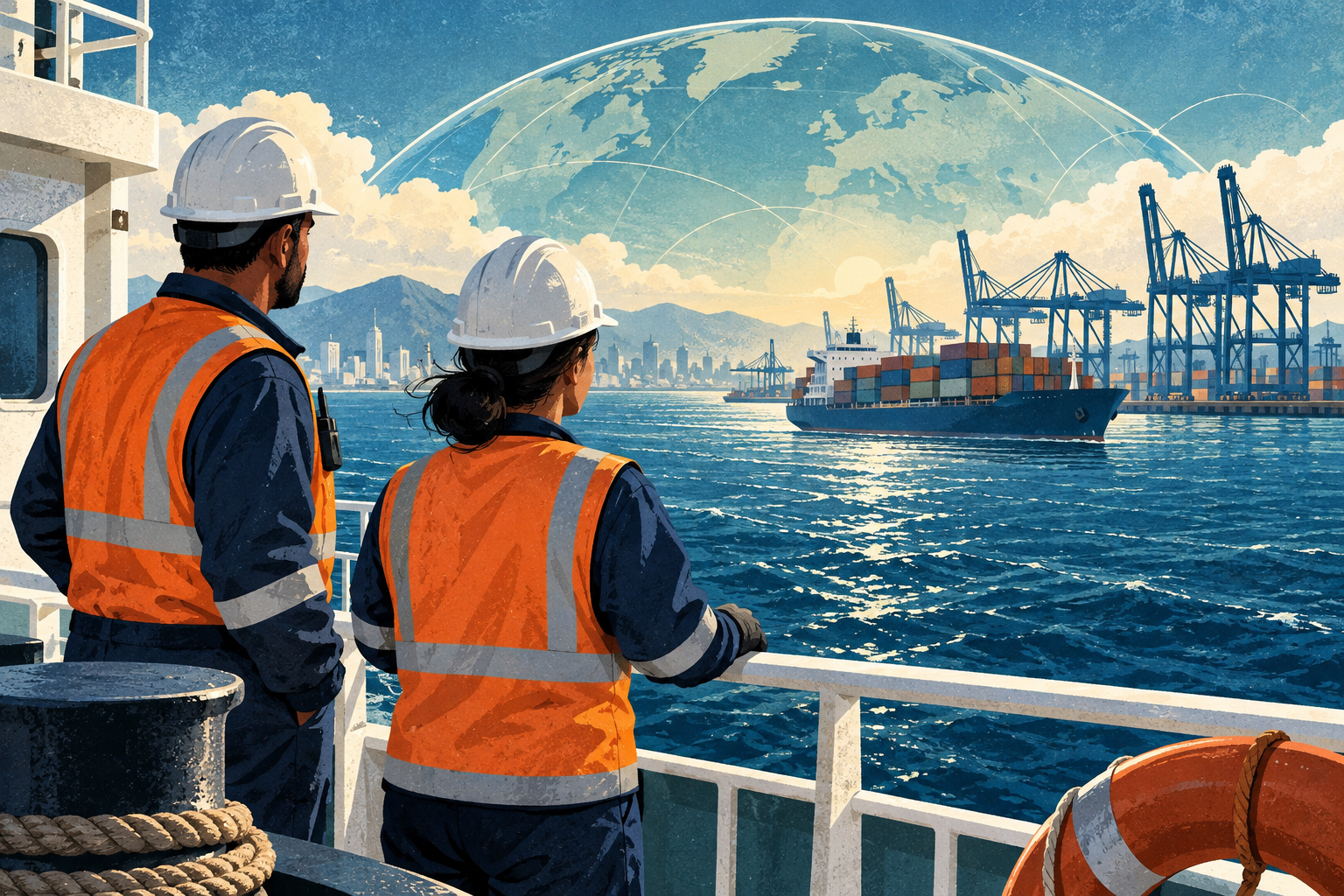
The last person who hands over a delivery is easy to notice. The crew who may have carried it across an ocean usually never appears in the tracking updates.
World Maritime Day on September 24 put that largely unseen work at the centre of a global discussion about safety, trade and the health of the seas. The message from international organisations was practical: rules matter only when they change what happens on ships and in ports.
In his message for the day, UN Secretary-General António Guterres said at least 80% of international trade moves by sea. He warned that conflict and geopolitical tensions were threatening seafarers and disrupting supplies of fuel, fertilisers and food.
That gives the issue a connection to everyday life. Shipping problems concern the people running ports and vessels, but their effects can also reach businesses and households far from the water.
The International Maritime Organization's September 24 announcement described attacks on merchant shipping in several conflict zones, including the Strait of Hormuz and the Black Sea. It said those attacks had killed seafarers and disrupted trade.
The organisation is using its 2026–2027 campaign to focus on implementation. Its priorities include training, stronger national systems, maritime security, cleaner shipping and tackling fraudulent ship registration. The campaign asks governments and the industry to turn international commitments into working arrangements.
That can sound like paperwork. On a ship, however, clear responsibilities, trained crews and functioning safety systems have consequences for real people. An agreement sitting in a folder cannot do that job by itself.
The UK Maritime and Coastguard Agency used the day to highlight inspections, certification, pollution response, search and rescue, and support for seafarers. It also pointed to work with innovators on autonomous vessels, lower-emission technology and digital systems.
Those developments connect maritime work to interests many younger people already follow: technology, the environment and future careers. New equipment still needs people who know how to use, assess and maintain it safely.
In Pakistan, Business Recorder reported that naval chief Admiral Naveed Ashraf called for practical action on maritime policies, including environmental protection, professional skills and cooperation between institutions. He linked safer seas to opportunities in shipping, fisheries, shipbuilding and other coastal industries.
These statements are commitments and priorities, rather than proof that every problem has been solved. The useful test comes afterwards: safer working conditions, effective oversight and less harm to the sea.
A global delivery network can look effortless from a phone screen. World Maritime Day is a reminder that it depends on skilled workers, functioning ports and routes people can use safely. The journey matters long before the doorbell rings.
Similar stories